
- Home
- testo 317-2
0632 3172
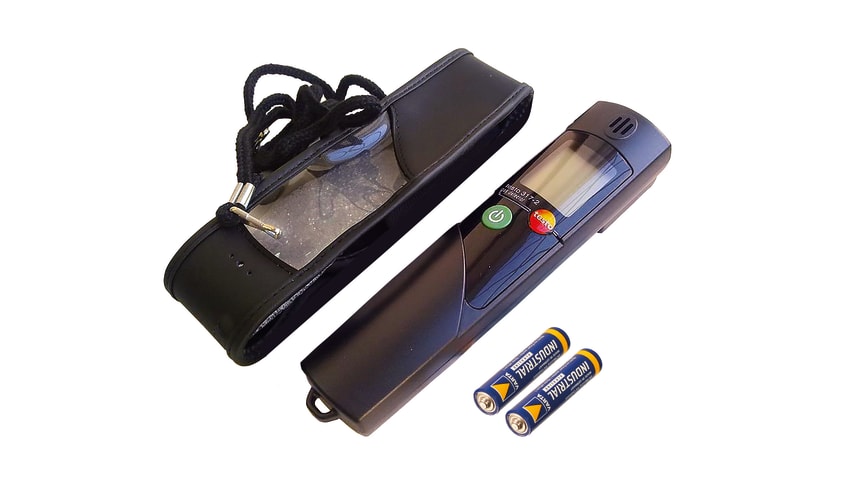
testo 317-2 - Gas leak detector for new users
0632 3172
testo 317-2 - Gas leak detector for new users
Do you want to test quickly and efficiently whether there is a gas leak on gas pipe connections? Let the reliable testo 317-2 gas leak detector support you in your task. The handy gas detector for new users detects methane and propane.
- Display of gas concentration via bar display
- Self-test of sensor after switching on
- Pitch of alarm rises along with gas concentration
- Battery monitoring with optical display
Gas pipe connections can be safely and efficiently tested with the testo 317-2 gas leak detector. The handy gas detector for new users detects two types of gas: methane and propane. The gas concentration is shown via a bar display. In addition, the gas leak detector indicates increasing gas concentrations via an acoustic alarm. The measuring instrument also confirms acoustically that it is ready for measuring.
General technical data
Methane (CH₄)
Propane (C₃H₈)
testo 317-2 gas leak detector, including carrying bag with belt clip, wrist strap and battery.
Gas leak detection in gas pipes in the heated environment
Gas leak detection is the elementary testing of gas pipe parts for existing leaks. A gas pipe is considered leak-proof when there are no gas leaks from the exposed parts. This means that exposed gas pipes in particular are checked for external leak tightness. Leaks are detected by testing a connection point; e.g. at fittings, flanges, screw fittings and gas control valves. It is also important to check ducts entering buildings and gas pipes concealed in cavities at the air outlets. The application can be operated in different ways. A procedure that is still used despite its inherent danger is using a lighter to check the gas pipes. The definitely more usual and safer option is to use foaming media (leak detection foam) which produces bubbles as soon as there is a leak. The most up-to-date way to detect gas leaks is to use an electronic gas detector otherwise known as a “sniffer”.