Directly from the manufacturer

Image
  1. Home
  2. testo 310 (2nd Gen)
0563 3106

testo 310 (2nd Gen) - Flue Gas Analyser - Standard Kit

Image
Image
Image
Image
Image
Image
Image
Image
Image
Image
Image
Image
Image
Image
Image
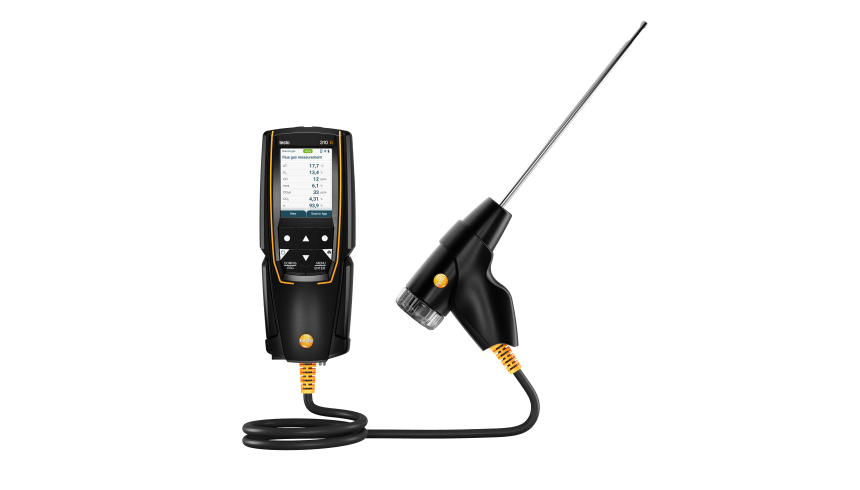
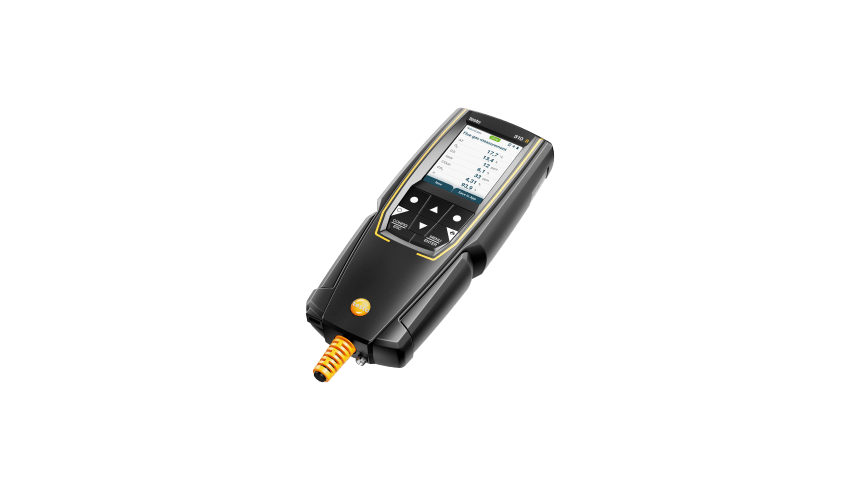
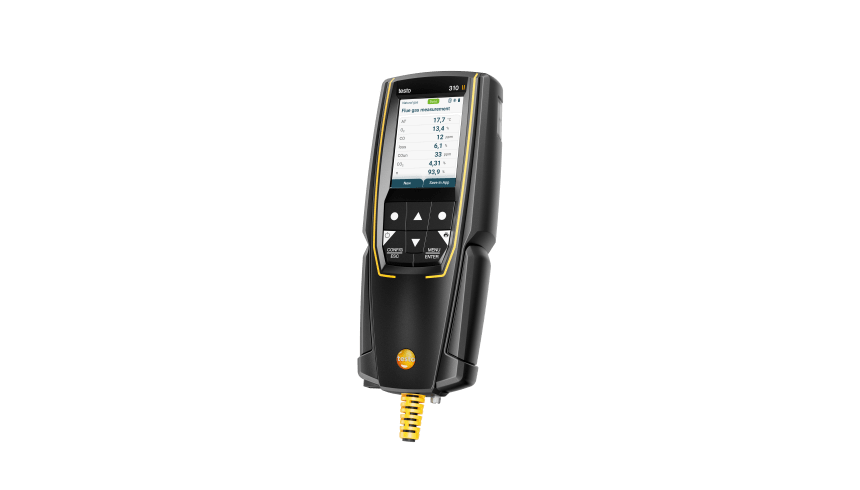
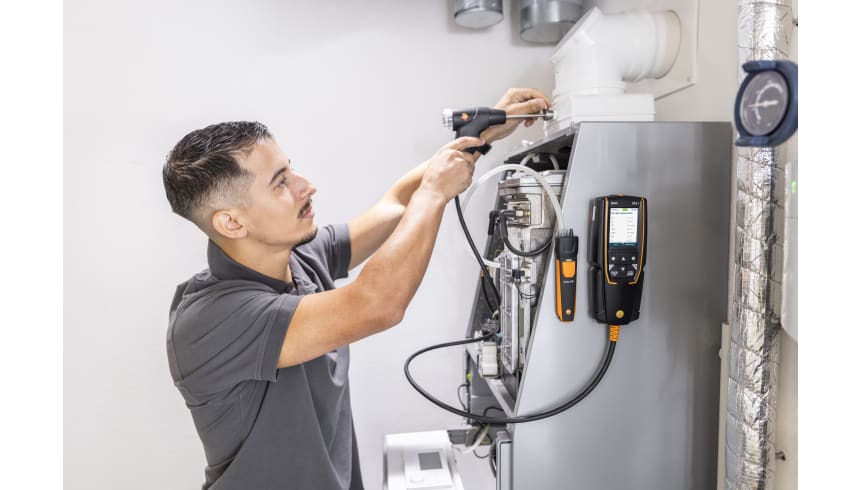
The testo 310 (2nd Gen) is a fast, Bluetooth-enabled flue gas analyser for gas and oil-fired boilers. It features a colour display, 30-second sensor zeroing, and seamless integration with the testo Smart App for instant digital reporting and diagnostics.
  • Precision testing for O2, draught, & ambient CO, including automatic efficiency & flue gas loss calculations.
  • EN 50379-1 & 3 certified analyser kit, featuring 30-second sensor zeroing and a high-res colour display.

How to Achieve Fast, Reliable Boiler Commissioning and Maintenance


When heating engineers are pressed for time and accuracy on site, the right analyser makes all the difference. The testo 310 (2nd Gen) is built for professionals who need to commission, service, and maintain gas and oil-fired boilers quickly - without sacrificing measurement precision.
  • Accurate commissioning with instant sensor zeroing minimises waiting time and ensures each boiler you install or repair is working safely from the start.
  • The robust design lets you work confidently in tough residential and commercial environments, reducing the risk of downtime or failed tests.

Why Accurate Combustion Analysis Prevents Costly Heating Issues


Issues like high emissions, poor efficiency, or repeated breakdowns often trace back to inadequate combustion checks. The testo 310 (2nd Gen) addresses these challenges through:
  • Precise O₂ and CO Measurement: Vital for verifying correct combustion ratios during installation and periodic maintenance.
  • Automatic Efficiency Calculations: Lets you instantly demonstrate to customers that their boiler meets safety and efficiency standards, helping build trust.
  • Real-World Application: For example, after servicing a combi boiler, the testo 310 (2nd Gen) helps you immediately detect incomplete combustion, allowing you to correct burner settings on the spot.

Solving Safety Risks with Ambient CO and Draught Testing


Unnoticed leaks or poor ventilation can create dangerous conditions in homes and workplaces. The testo 310 (2nd Gen) includes features to make safety testing straightforward and reliable:
  • Ambient CO Testing: Continually monitor for carbon monoxide in living areas, ensuring compliance with UK safety standards such as BS 7967.
  • Draught Measurement: Confirm correct flue performance to prevent harmful gases from entering occupied spaces.
  • Flexible Use Cases: Whether checking for backdraft in commercial kitchens or verifying the absence of leaks after installation, the analyser offers clear, immediate results.

Streamlining Data Capture and Compliance Reporting with Smart Connectivity


Efficient data management reduces errors and saves engineers time:
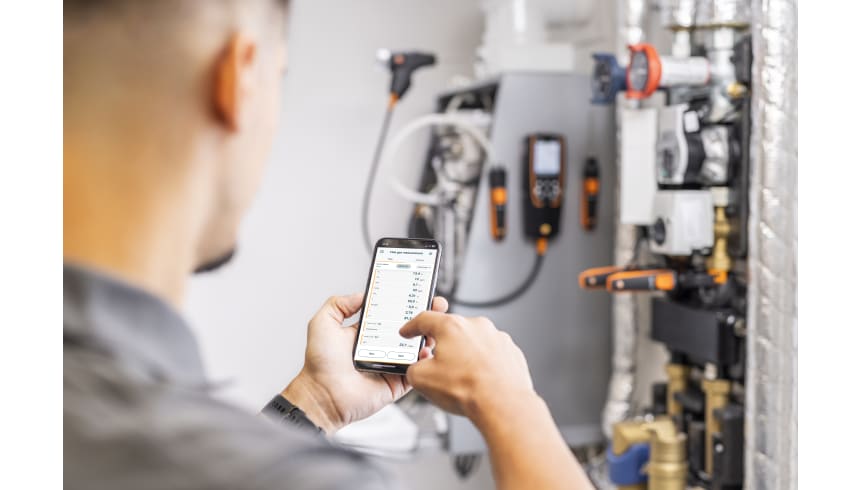
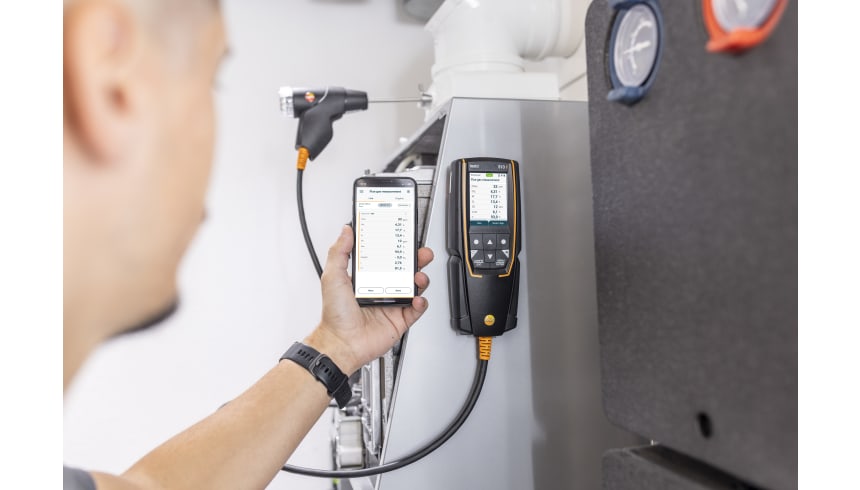
  • Integrated Bluetooth®: Pair the analyser with the testo Smart App to gain remote access to live combustion and pressure data on your smartphone or tablet - even in hard-to-reach spaces.
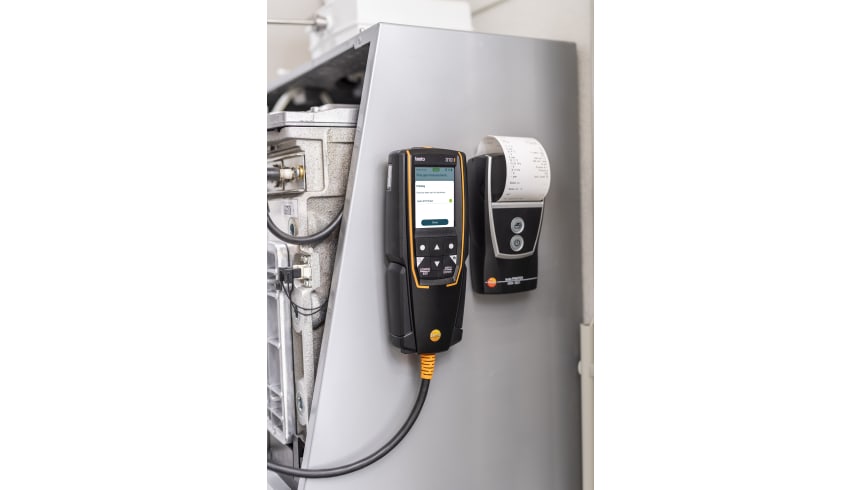
  • Professional PDF Reports: Instantly generate and share site-ready reports with customers or compliance auditors, fully compatible with your business’s digital workflow.
  • Smart Probe Compatibility: Incorporate readings from testo Smart Probes (sold separately) to unify flow/return temperature and pressure data in one report.
  • Accessories and Interlinking: Seamlessly integrates into your toolkit; compatible with the testo 300 series for advanced reporting or additional diagnostics.

Built for Durability and Efficiency in the Field


Everyday site conditions demand equipment that’s both tough and easy to maintain. The testo 310 (2nd Gen) is engineered for just that:
  • 30-Second Sensor Zeroing: Get to work more quickly, even when moving between jobs.
  • Integrated Condensate Trap: Prevents moisture damage, prolonging instrument life.
  • Replaceable Probe Filters: In-the-field maintenance means less time out of service, more time on the job.
  • Long-Life Rechargeable Li-ion Battery: Ensures uninterrupted full-day operation for busy engineers.
Temperature - TC Type K (NiCr-Ni)

Measuring range
-20 to +400 °C
Accuracy
±1 °C (-20 to +100 °C)
±1.5 % of mv (> 100 °C)
Resolution
0.1 °C
Reaction time
< 50 s
Temperature (flue gas, ambient temperature)

Flue gas O₂

Measuring range
0 to 21 Vol.%
Accuracy
±0.2 Vol.%
Resolution
0.1 Vol.%
Reaction time t₉₀
30 s

Differential Pressure flue gas Draught - Piezoresistive

Measuring range
-20 to +20 hPa
Accuracy
±0.02 hPa (-0.6 to +0.6 hPa)
±1.5 % of mv (-20 to -3 hPa and +3 ... +20 hPa)
±0.03 hPa (-3 to -0.6 hPa and +0,6 ... +3 hPa)
Resolution
0.01 hPa
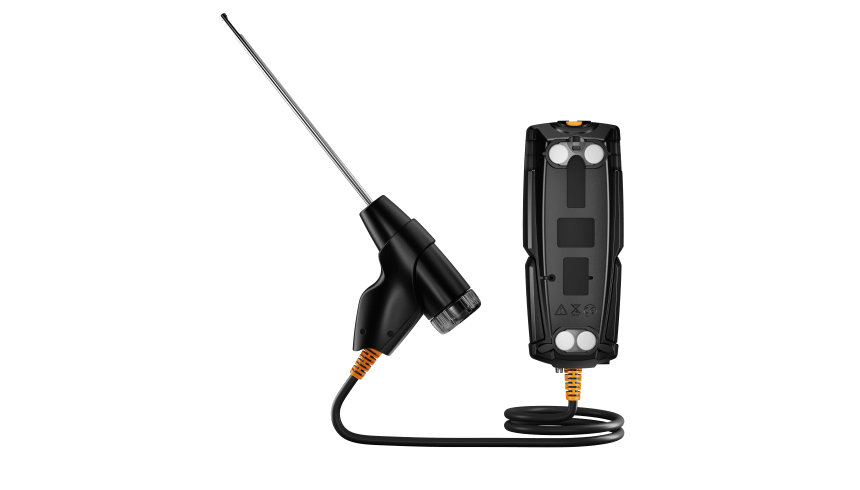
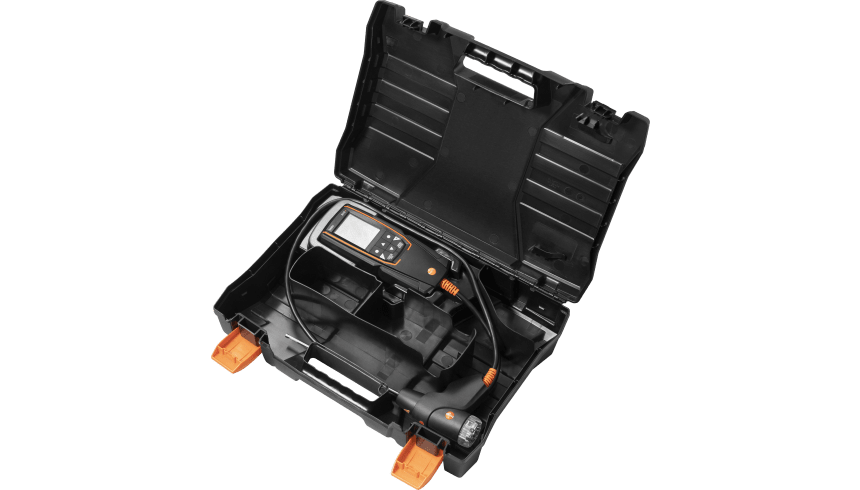
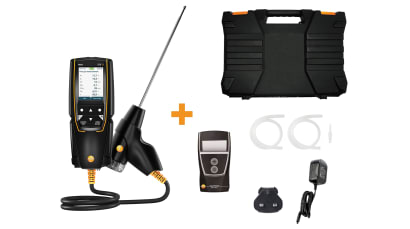
testo 310 (2nd Generation) incl. battery and calibration protocol for measuring O2, CO, hPa and °C; probe,180 mm with cone; case; power supply incl. 
cable; silicone tube for pressure measurement; 
Particle filter 5 pcs.; USB C cable

Draught measurement in the flue gas duct

Draught measurement is actually a differential pressure measurement. This differential pressure occurs between two sub-areas as a result of a difference in temperature. This is turn generates a flow to compensate. In the case of flue gas systems, the difference in pressure is an indicator of the “chimney flue draught”. This is measured between the flue gas and ambient air at the measurement orifice at the core of the flue gas flow.

To ensure the flue gases are safely transported through the chimney there must be a differential pressure (chimney flue draught) for boiler systems that work with low pressure.

If the draught is permanently too high, the average flue gas temperature increases and therefore flue gas loss. The level of efficiency drops.

If the draught is permanently too low, oxygen may be lacking during combustion, resulting in soot and carbon monoxide. This will also cause a drop in the level of efficiency.

Ambient CO measurement in the heated environment

Carbon monoxide (CO) is a colourless, odourless and taste-free gas, but also poisonous. It is produced during the incomplete combustion of substances containing carbon (oil, gas, and solid fuels, etc.). If CO manages to get into the bloodstream through the lungs, it combines with haemoglobin thus preventing oxygen from being transported in the blood; this in turn will result in death through suffocation. This is why it is necessary to regularly check CO emissions at the combustion points of heating systems, and places often frequented by people (in our case, where the combustion systems for hot water generation are), and in the surrounding areas.

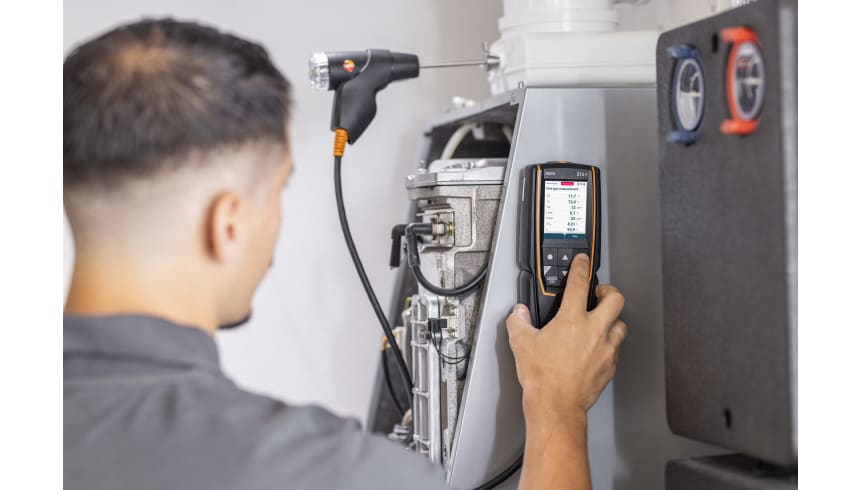
Measuring the flue gas parameters of the burner (CO, O2, and temperature, etc.)

The flue gas measurement for a heating system helps to establish the pollutants released with the flue gas (e.g. carbon monoxide CO) and the heating energy lost with the warm flue gas. In some countries, flue gas measurement is a legal requirement. It primarily has two objectives:

1. Ensuring the atmosphere is contaminated as little as possible by pollutants; and

2. energy is used as efficiently as possible.

Stipulated pollutant quantities per flue gas volume and energy losses must never be exceeded.

Measurement in terms of results required by law takes place during standard operation (every performance primarily using the appliance). Using a Lambda probe (single hole or multi-hole probe), the measurement is taken at the centre of flow in the connecting pipe (in the centre of the pipe cross-section, not at the edge) between the boiler and chimney/flue. The measured values are recorded by the flue gas analyzer and can be logged either for print out or transfer to a PC at a later stage.

Measurement is taken by the installer at commissioning, and if necessary four weeks later by the flue gas inspector/chimney sweep, and then at regular intervals by the authorised service engineer.

Measuring pressure on burners (nozzle pressure, gas flow pressure, etc.)

Standard readings taken during services of domestic heating systems include checking the gas pressure on the burners. This involves measuring the gas flow pressure and gas resting pressure. The flow pressure, also called supplied pressure, refers to the gas pressure of the flowing gas and resting pressure of the static gas. If the flow pressure for gas boilers is slightly outside the 18 to 25 mbar range, adjustments must not be made and the boiler must not be put into operation. If put into operation nonetheless, the burner will not be able to function properly, and explosions will occur when setting the flame and ultimately malfunctions; the burner will therefore fail and the heating system will shut down.

Contact Us
Testo Ltd
Newman Lane
GU34 2URAlton
HampshireUnited Kingdom
01420 544433

Opening hours

Monday-Thursday: 8:30am - 17:00pmFriday: 8:30am - 16:00pm
Image
Blog

Visit our blog

© 2026