
- Home
- Know How
- Emission Measuring Instrument
- Application areas & industries | Testo
Emission measuring instruments in practice –
Application areas & industries


Emission measuring instruments are used wherever combustion plants or industrial processes release flue gases and limit values must be complied with – from boiler and combustion systems through glass and cement kilns to combined heat and power plants. They help operators to comply with industry-specific emission requirements, identify efficiency potential and document measured values in a traceable manner.
Emission measurement in boiler and combustion systems
In boiler and combustion systems, emission measurement serves two main purposes: compliance with emission limit values and optimisation of the combustion process. Typical measurements cover O2, CO, NOx and in some cases SO2 as well as dust. Measurement points are often located in the flue gas duct directly upstream of the chimney or at defined points along the flue gas path.
Operators face questions such as: which combustion systems require an emission measuring instrument, and which components must be monitored? In many countries, requirements are based on regulations such as the 1st, 13th or 17th BImSchV or comparable industrial emissions directives. These specify from which thermal input ratings emission measurements must be carried out, which limit values apply, and at what intervals monitoring or verification measurements must be performed.
In practice, mobile emission measuring instruments are used during commissioning and recurring inspections to adjust burner parameters, optimise O2 and CO values, and verify limit values. Stationary emission measurement systems are used primarily in larger boiler plants where continuous monitoring and archiving of emission values is required.
Example: in a heating boiler system with natural gas firing, O2, CO and NOx are continuously monitored. If the CO limit value is exceeded or NOx values rise persistently, this may indicate faulty combustion, dirty burners or incorrect settings. Emission measuring instruments provide the basis for targeted corrective action.

Emission measurement in energy-intensive industries
Energy-intensive industries such as glass, cement and steel manufacturing work with high process temperatures, complex fuels and often high dust loads in the flue gas. Emission measuring instruments must not only measure accurately here, but also cope with harsh ambient conditions. Typical measured variables are O2, CO, NOx, SO2 and dust, supplemented by further components depending on the fuel and process used.
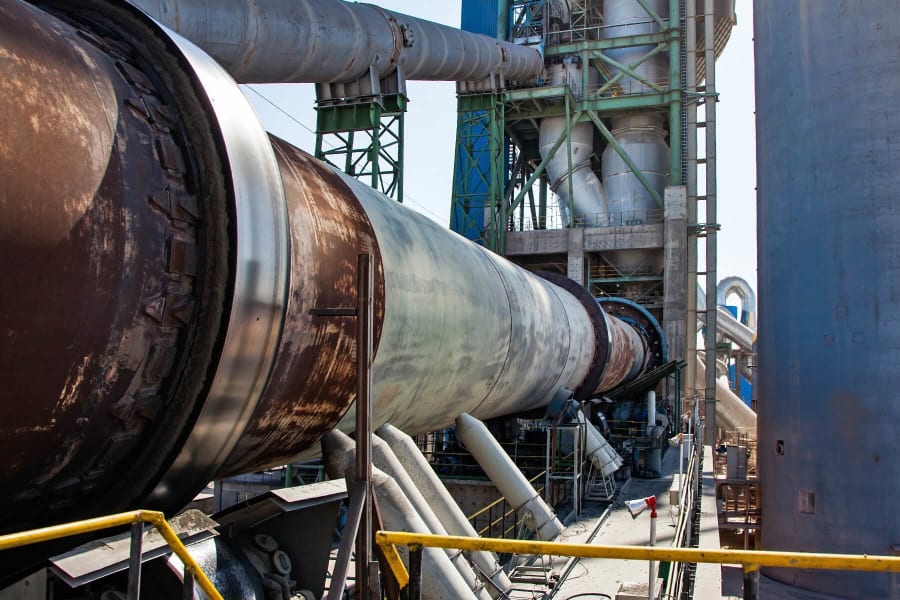
In cement kilns, for example, large quantities of raw material are processed at temperatures above 1,400 °C. Flue gas streams contain dust, gaseous components and frequently changing fuel qualities. Emission measurement systems must be designed so that they operate reliably under these conditions – for example through heated probes, robust gas conditioning and regular automatic zero and span checks. Glass kilns or blast furnaces in the steel industry place similar demands.
Glass, cement and steel industry
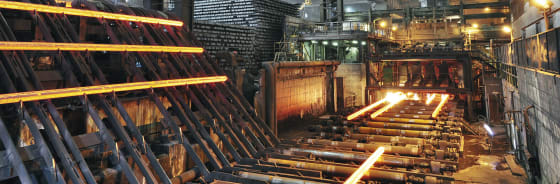
In the glass industry, monitoring of NOx and SO2 emissions is often the primary focus, while in the cement industry dust and specific process gases also play a role. In the steel industry, emission measurements are relevant at combustion processes, waste heat systems or treatment aggregates, among others. In all cases, emission measuring instruments serve as the link between process management and environmental requirements.



Emission measurement in combined heat and power plants and decentralised systems
Combined heat and power plants (CHP) and other decentralised energy generators combine electricity and heat generation and are often operated with gas or biogas. Emission measurements serve to comply with statutory requirements for NOx, CO and other components while simultaneously safeguarding the economic efficiency of operation. Particularly with varying fuel qualities or load profiles, regular verification of emission values is important.
In many CHP applications, mobile emission measuring instruments are used, with which service technicians can inspect and document several plants in succession. Typically, spot measurements or measurement series over a defined period are carried out to obtain average values and trend information. Larger plants or plants with stricter requirements can additionally be equipped with stationary measurement systems.
Typical measurement concepts and inspection intervals
Typical questions from operators are: which types of CHP units require regular emission measurement, how often must measurements be carried out, and which components are to be monitored? The answers depend on national regulations, plant size and fuel used, but follow a common pattern: at least O2, CO and NOx must be regularly checked and documented, often supplemented by additional components. Emission measuring instruments help to organise inspection intervals efficiently and to prepare measured values in test reports in accordance with standards.

Efficiency and emissions under control: measurement concepts for gas turbines
Whether a CHP plant or a combined cycle gas turbine power plant – for efficient and resource-conserving operation, the flue gas parameters of a gas turbine must be recorded precisely. The particular challenge lies in the high dynamics of the measured values: at the optimal operating point, CO and NOx concentrations are very low and place high demands on measurement resolution as well as on the handling of flue gas moisture. During start-up or load changes, concentration peaks can occur briefly, requiring a correspondingly large measurement range. Emission measuring instruments must therefore reliably cover both scenarios – as the basis for optimal plant settings and standards-compliant documentation.

Emission measurement in the context of sustainability & reporting
In addition to pure compliance with limit values, the context of sustainability is becoming increasingly important. Companies report on emissions, efficiency measures and reduction targets as part of sustainability or ESG reports. Emission measuring instruments provide the necessary source data for this – from directly measured flue gas values to key figures that are converted into CO2 equivalents.
For operators, the question arises of how classic emission measurements can be integrated into overarching sustainability strategies. Consistent data collection through standards-compliant measurement methods is crucial here: only when measured variables, units and reference conditions are clearly documented can emission data be meaningfully linked with energy consumption, production volumes or savings measures.

Do you have questions or would you like personal advice? Contact us!
We look forward to supporting you with our expertise and individual solutions.