Testo official store
Free delivery
Secure payment
Testo official store

What the FSA’s new growth strategy means for food businesses
Making food safety simpler with digital monitoring
Understanding the FSA’s approach to growth
2026-08-25 The FSA’s Approach to Growth focuses on supporting economic growth while maintaining the UK’s high standards for food and feed safety. It recognises that food businesses need regulation that is clear, proportionate and workable in real operating environments.
For manufacturers, caterers, retailers and distributors, this does not mean lower standards. It means a stronger emphasis on:
Clearer regulatory expectations
More efficient compliance processes
Better use of data and digital tools
Support for innovation in the food sector
Maintaining consumer confidence and public health protection
In practice, businesses that can demonstrate strong food safety management systems, traceable records and proactive control measures will be better placed to respond to this direction.
What the FSA growth strategy means for compliance teams
Food safety remains the baseline
The FSA’s growth agenda does not reduce the importance of HACCP, temperature control, allergen management, hygiene monitoring or audit readiness. These remain central to safe food production and service.
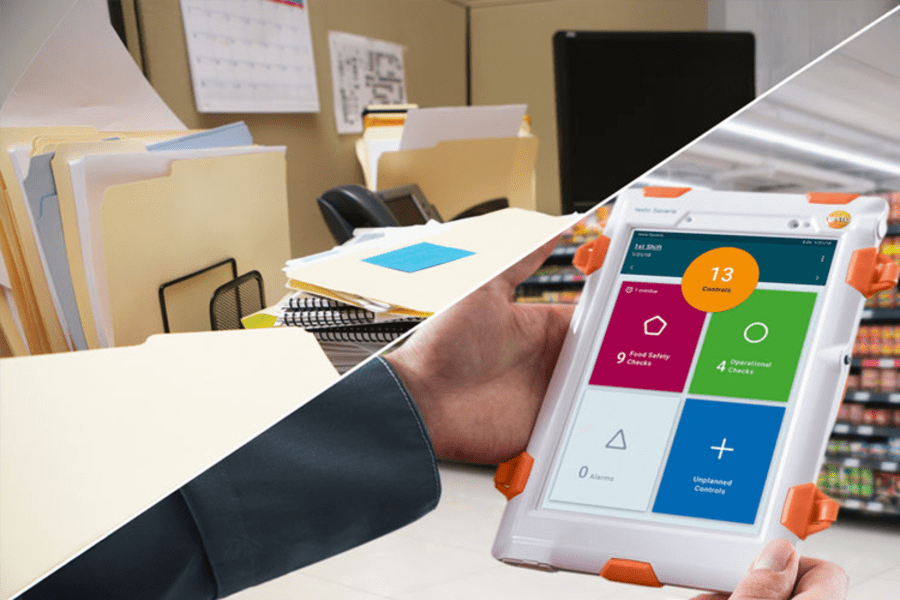
However, the strategy reinforces the need for systems that are efficient and proportionate. Manual checks, paper logs and fragmented records can still meet requirements, but they often create avoidable risk.
Common challenges include:
Missing or incomplete temperature records
Time-consuming manual documentation
Delayed response to cold chain deviations
Difficulty proving compliance during inspections
Inconsistent measurement practices across sites
For busy operations teams, these issues can affect productivity as well as compliance confidence.
Why digital food safety monitoring supports growth
Reducing manual administration
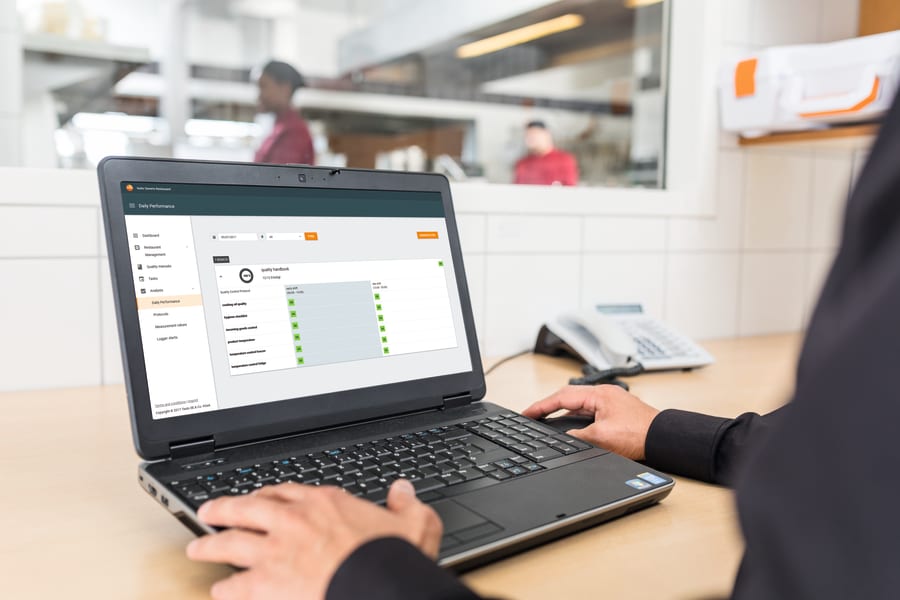
Digital temperature monitoring and electronic record keeping can help food businesses align with the FSA’s direction by making compliance easier to manage and verify.
Instead of relying solely on handwritten logs, digital systems can capture readings consistently and make data available for review. This supports faster checks, clearer accountability and reduced time spent preparing for audits.
Improving accuracy and traceability
Accurate measurement is essential in critical control points such as chilled storage, frozen storage, cooking, cooling, hot holding and goods-in checks.
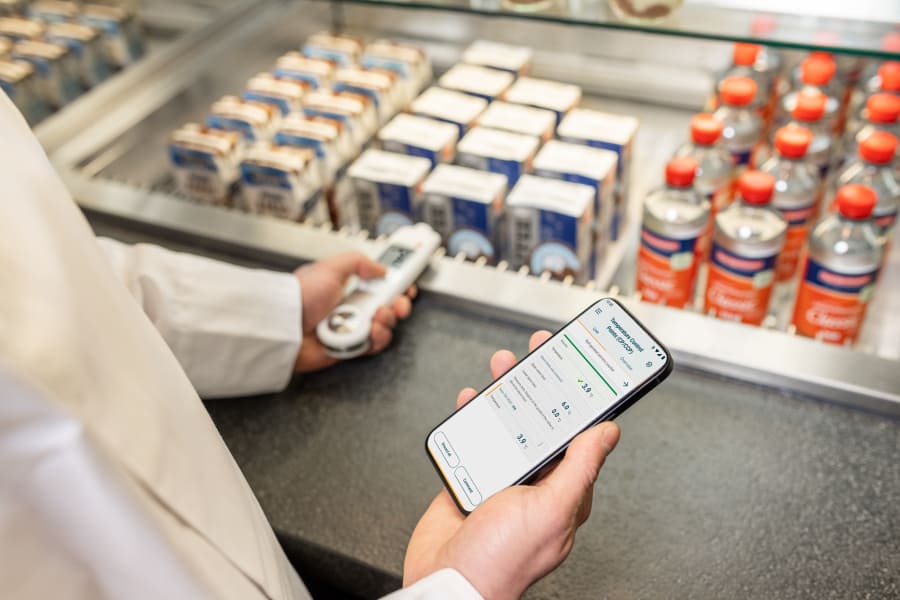
Digital data loggers and calibrated thermometers can help teams:
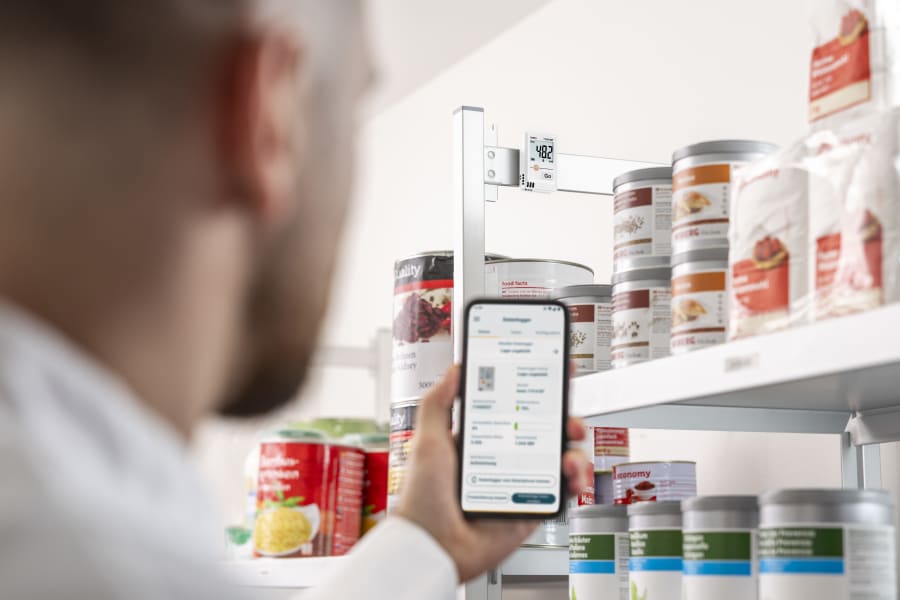
Monitor storage temperatures over time
Identify deviations before they become product safety issues
Verify cooking and cooling processes
Maintain consistent measurement across shifts
Provide clear evidence for auditors and enforcement officers
This is particularly important for multi-site operators, high-risk food production and businesses managing complex supply chains.
Practical steps for UK food businesses
1. Review your current food safety records
Assess whether your current paper or spreadsheet-based system gives you reliable, accessible and complete records. Look for gaps in temperature monitoring, corrective action logs and audit evidence.
2. Identify critical measurement points
Map where temperature and humidity control directly affect product safety or quality. This may include:
Cold rooms and freezers
Refrigerated transport
Production areas
Cooking and reheating points
Food service counters
Oil quality in frying processes
3. Standardise measurement procedures
Use clearly defined measurement methods and suitable instruments for each task. Staff should know when to take readings, how to use equipment correctly and what action to take if limits are exceeded.
4. Move towards proactive monitoring
The strongest food safety systems do not simply record problems after the event. They provide early warning, trend visibility and clear documentation for corrective action.
How Testo supports modern food safety processes
Testo helps food businesses modernise compliance with precise, practical measurement technology for everyday food safety tasks.
Relevant solutions include the testo 174 Series mini temperature data loggers for compact monitoring, the testo 175 Series for temperature and humidity logging, and the testo 164 Series for compact data logging. For spot checks and process control, instruments such as the testo 110 Food, testo 104-IR BT, testo 105 and testo 270 BT cooking oil tester support accurate measurement and reliable documentation.
As the FSA encourages growth alongside strong consumer protection, food businesses need systems that make safety easier to manage, not harder.
Food Safety in Retail
How retailers can reduce time pressure & food waste - and implement HACCP