
Emissionmeasurement in practice –
References & downloads

Practical reports and white papers on emission measurement show, using real projects, how emission measuring instruments are used under difficult conditions, which measurement strategies have proven effective and which typical errors should be avoided. They supplement technical data sheets with field experience and thus provide a valuable basis for planning, operation and service.
Practical examples from industry and energy generation
In industrial and power plants, emission measuring instruments operate continuously. Practical reports document, for example, how emission measurement systems in cement plants operate stably despite high dust loads, how waste incineration plants reliably comply with limit values for NOx, SO2 and dust, or how large combustion plants reduce both fuel costs and emission levels through optimised combustion.
Emission measurement at combined heat and power plants
A particularly practice-relevant field is combined heat and power plants. Here, emission measuring instruments must reliably detect NOx, CO and, where applicable, further components, even though load conditions and fuel qualities can vary greatly. White papers and application examples show what suitable measurement concepts look like – for example through targeted selection of measurement points, the use of mobile instruments for campaign measurements and the evaluation of measurement series to determine reliable mean values.
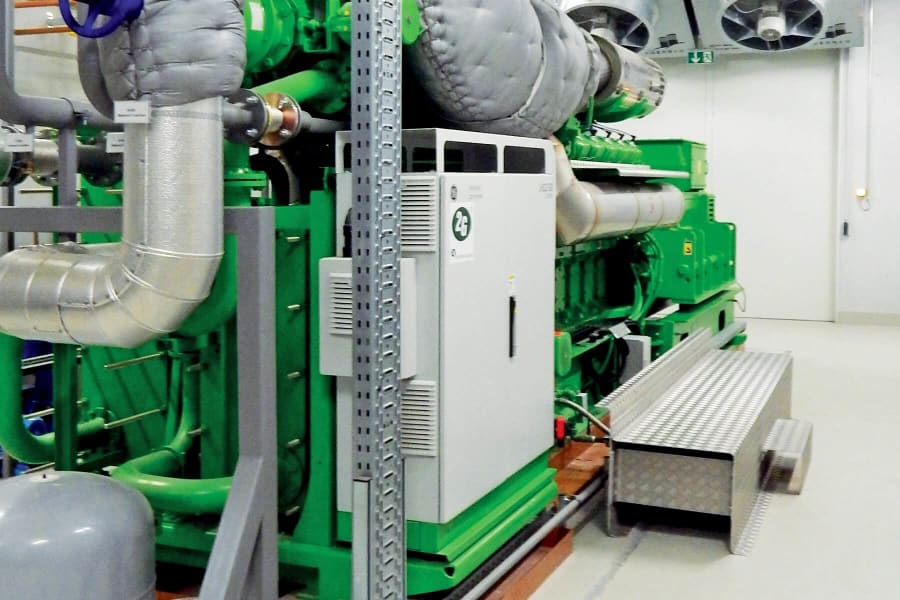
White papers & application examples on emission measurement
White papers and application documents provide in-depth technical information on specific measurement tasks. They explain, for example:
Requirements for emission measurements at turbines or special combustion systems,
Design of sampling and gas conditioning under high dust or moisture loads,
Procedures for validation and quality assurance of emission measurement systems.
For users, these documents answer questions such as: Which measurement strategy makes sense for my plant? How do I plan a measurement campaign to obtain meaningful data? And how do I document measurement results so that they stand up in audits and approval procedures?
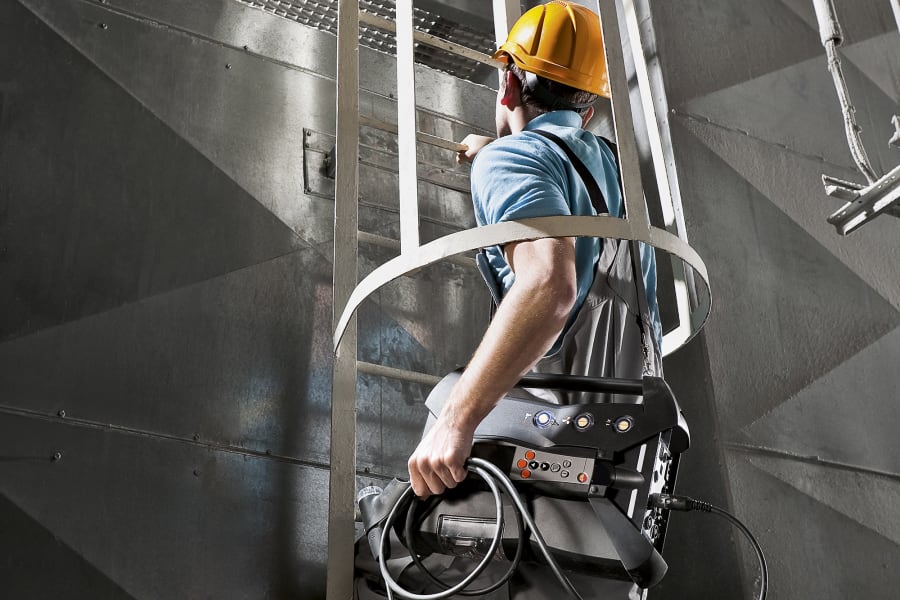
How to use references for your own projects
References and white papers can be used in a targeted way to improve your own emission measurement concepts:
In the planning phase, they can help to define suitable measurement points, instrument concepts and gas conditioning.
During operation, they provide guidance on proven maintenance intervals, inspection routines and optimisation measures.
In service, they support fault diagnosis by describing typical fault patterns and solutions.
Practical example: anyone planning a new emission measurement system for a CHP plant can derive from existing application examples which measurement variables are relevant in practice, how many measurement points are required and which combination of mobile and stationary instruments has proven effective. On this basis, specifications, tenders and internal specifications can be drawn up on a much more solid foundation.
Do you have questions or would you like personal advice? Contact us!
We look forward to supporting you with our expertise and individual solutions.