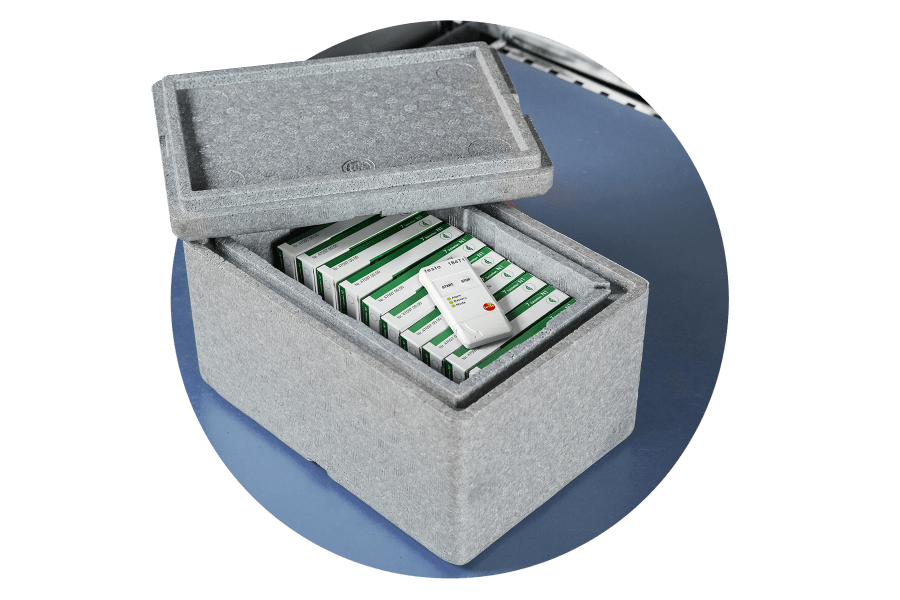
Directly from the manufacturer
Free shipping
Fast delivery
Secure payment
Directly from the manufacturer

Beyond the Warehouse Walls:
Bringing Confidence to the Cold Chain
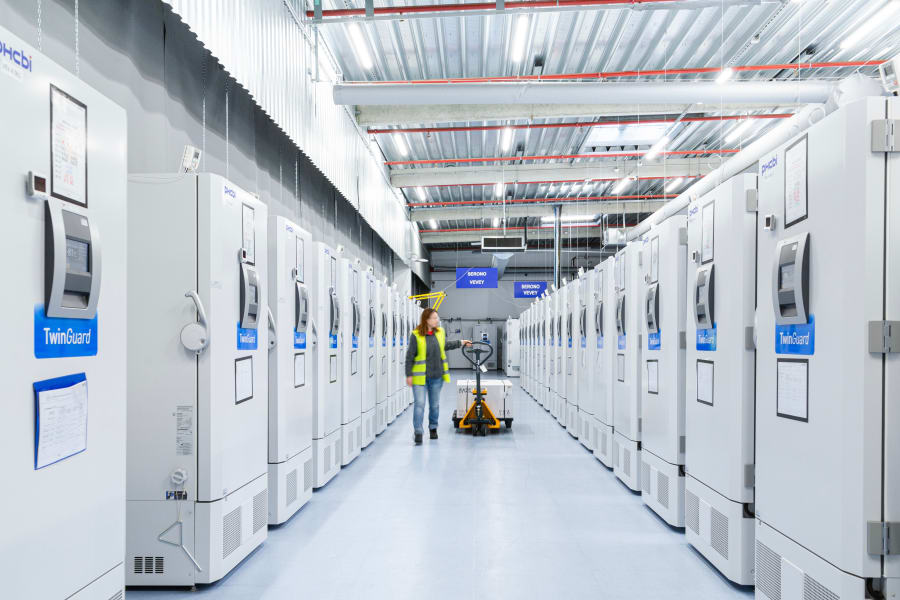
Where Compliance Meets the Real World
The pharmaceutical cold chain is often discussed in terms of what happens inside controlled storage environments, including validated rooms, monitored chambers, and regulated warehouses. But the greatest risks frequently emerge the moment a shipment moves beyond those four walls.
Transport is where compliance gets tested in the real world. It is where calibration gaps become excursions, where data blind spots become liabilities, and where Good Distribution Practice (GDP) either holds — or it doesn't.
The gap between the controlled environments organizations invest so heavily in and the transit legs that connect them is where pharmaceutical cold-chain confidence is most often won or lost.
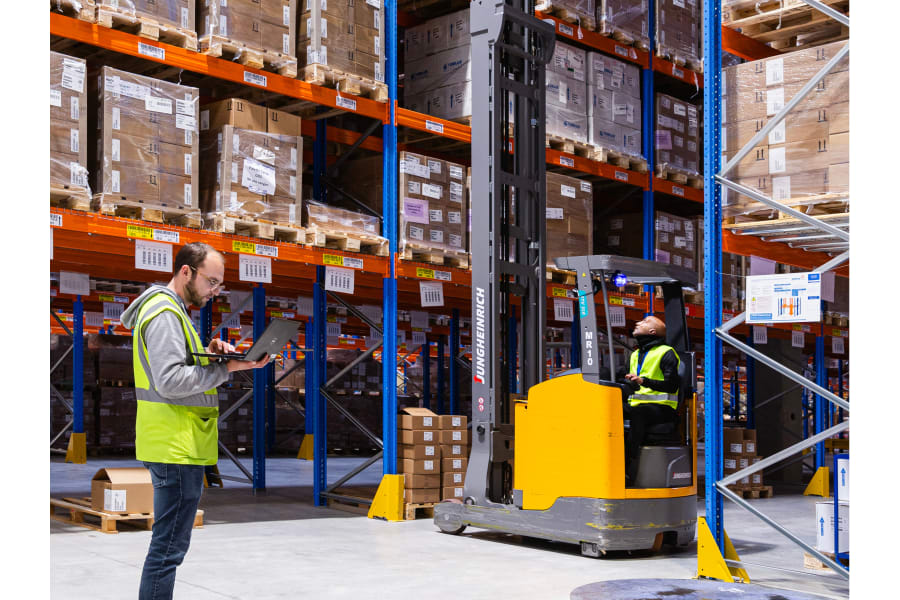
Good Distribution Practice: From Guideline to Ground-Level Reality
GDP has matured significantly since the early 2000s, when temperature control in transport was inconsistent, and compliance was often an afterthought, a reality explored firsthand in Episode 8 of the Measuring Up: Thinking Out Loud podcast. In those early years, some companies were moving HIV medicines and diagnostics without any temperature control at all, relying instead on stability data to cover gaps that monitoring should have been filling.
The regulatory landscape has since advanced, with clearer expectations from the FDA, EMA, and other global health authorities. Pharmaceutical companies are now beginning to mandate GDP compliance in their RFQs. Insurers are likewise paying attention, recognizing that lower-risk transport programs translate to lower-risk products.
But having a written procedure and executing it reliably at the ground level are two different things. Gaps between documented standards and day-to-day operations remain one of the most persistent challenges in pharmaceutical logistics. Closing that gap requires more than policy; it requires instrumentation, data, and a culture of accountability that extends from the warehouse floor through every leg of the distribution network.
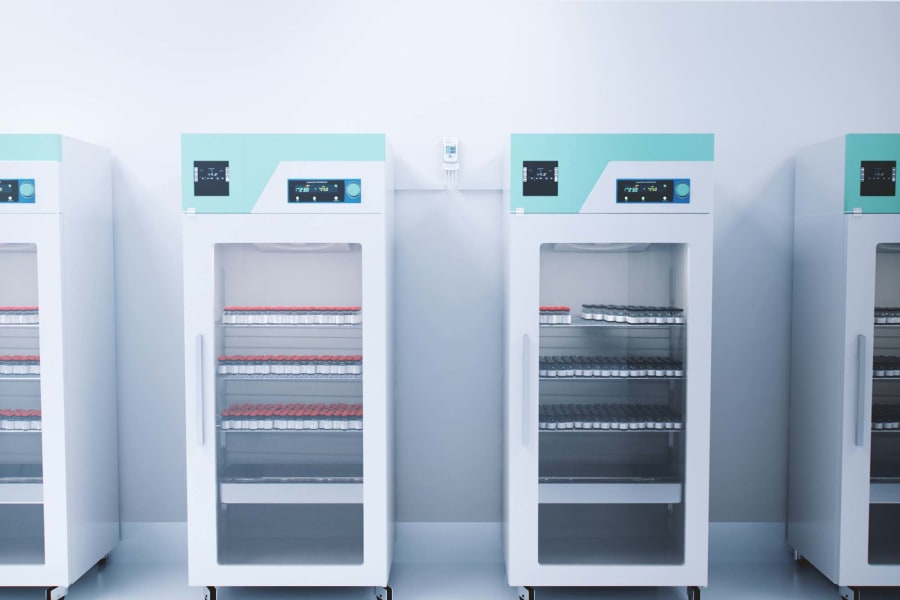
More Sophisticated Products Herald Higher Stakes
Modern pharmaceutical products are more temperature-sensitive than ever. Biologics, cell and gene therapies, and specialty drugs require precise environmental conditions maintained across every handoff, from manufacturing through every stage of distribution. Global networks, multi-modal transport lanes, and the sheer volume of time-sensitive therapies in circulation have all narrowed the margin for error.
A single unmonitored leg of a journey can undo hours, days, or weeks of compliant storage.

When the Product Leaves the Building
The warehouse is only part of the story. Once a pharmaceutical product enters transit, it moves through environments that are far harder to control and far more difficult to monitor without the right systems in place.
Temperature fluctuations during loading and unloading, extended dwell times on tarmacs or in staging areas, and vehicles operating in extreme climates all introduce risk. Without continuous, calibrated monitoring throughout that journey, organizations are left making product disposition decisions based on incomplete or unreliable data.
In regulated pharmaceutical distribution, incomplete data is a compliance gap with consequences that extend far beyond the shipment itself.
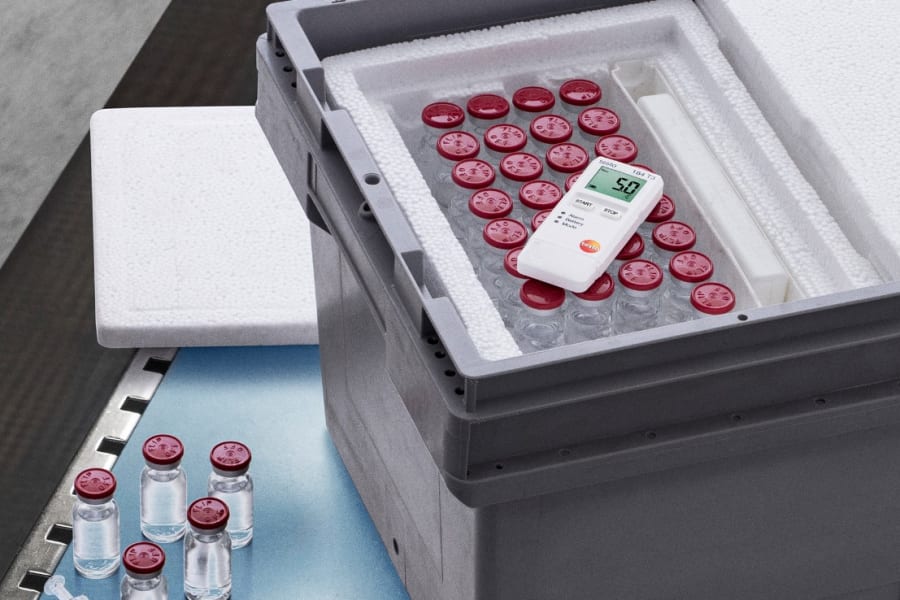
By deploying intuitive, all-in-one transport loggers, pharmaceutical manufacturers can replace operational friction with instant, audit-ready certainty.
Securing the Chain with Continuous, Automated Monitoring
To mitigate the risks of a multi-modal supply chain, pharmaceutical logistics must move away from complex, fragmented data retrieval processes. Relying on traditional transport loggers that require proprietary software, specialized docking stations, or cumbersome read-outs at the destination creates operational bottlenecks and increases compliance risks. When a shipment arrives at a crowded receiving dock, quality assurance teams need immediate, clear answers to verify product integrity.
The solution lies in a plug-and-play approach to validated shipment monitoring that simplifies the audit trail during transport. Modern GDP compliance demands an efficient, secure transport monitoring strategy built on three pillars:
Utilizing smart USB loggers that operate independently of external infrastructure. Upon arrival, the device can be plugged directly into any computer to automatically generate an unalterable, GxP-compliant PDF report. This eliminates the need for proprietary software installation at the receiving site, ensuring seamless data retrieval regardless of destination constraints.
Consolidating configuration details, temperature records, and the device’s unique calibration certificate into a single, unalterable file format. By binding the calibration data directly to the trip report, logistics managers establish an ironclad digital chain of custody that simplifies audits and eliminates compliance guesswork.
Matching the logger to the unique demands of the payload. Whether a shipment requires standard refrigerated parameters, specialized humidity tracking, integrated shock sensors to prove safe physical handling, or extreme Pt100 sensor accuracy for ultra-low temperature cold chains (down to -80°C), the monitoring solution must be purpose-built for the application.
Partners Go Where Vendors Stop
No organization navigates the pharmaceutical cold chain alone. Shippers, logistics providers, third-party distributors, and regulatory bodies are all stakeholders in ensuring product integrity. As such, the most successful cold chain programs are built on a foundation of shared responsibility and transparent collaboration.
Testo approaches this reality as a partner, not merely a product vendor. The goal is to equip stakeholders throughout the cold chain, from quality assurance teams in the warehouse to logistics coordinators managing distribution lanes, with the tools, data, and confidence they need to maintain compliance and protect your product.
That commitment to partnership is built into every service Testo offers, from system deployment to ongoing calibration support. Learn more about Testo pharma services.
Protecting Patients, Cultivating Confidence
The cold chain does not pause at the warehouse door. Patient safety does not end at the point of dispatch. And compliance expectations do not relax because a product is in transit.
Ultimately, cold chain integrity is about much more than passing an audit or protecting profit margins. At the end of every pharmaceutical supply chain is a patient who relies on a therapy, vaccine, or medication to live a healthy life. When temperature-sensitive products are exposed to environmental extremes, their efficacy can degrade invisibly, turning a life-saving treatment into an ineffective or even hazardous product.
Maintaining strict GDP compliance and implementing straightforward, reliable monitoring systems is an ethical mandate. By treating logistics as an extension of the laboratory, manufacturers ensure that the rigorous standards upheld during production are preserved until the moment of delivery.
Securing the modern pharmaceutical supply chain requires moving past the transactional approach of traditional logistics. It demands a commitment to visibility, a dedication to data integrity, and a partnership built on shared responsibility. When we prioritize seamless, secure data collection and choose partners who understand the human element of the cold chain, we do more than protect a shipment. We protect patient trust.
Testo is committed to making cold chain confidence attainable for every organization, at every point in the journey. That is what it means to measure where it matters.
Want to Dive Deeper into Pharmaceutical Transport?
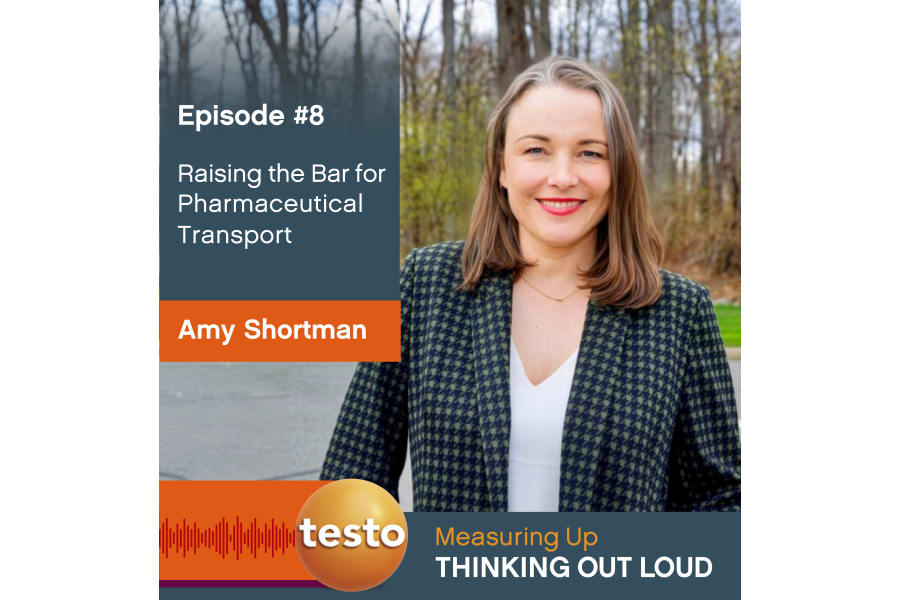
In Episode 8 of Measuring Up: Thinking Out Loud, “Protecting Pharmaceuticals: Raising the Bar for Pharmaceutical Transport,” host Bill White sat down with Amy Shortman, the founder of ASC Associates, IATA instructor, and one of the architects of the HDA's (Healthcare Distribution Alliance) GDP accreditation program, to explore exactly what it takes to close the gap between written standards and ground-level cold chain practice. If the questions this piece raises are ones your organization is navigating, it's worth your time to have a listen.
Next Steps
Monitor every leg of the journey with the testo 184 Series.
Purpose-built for pharmaceutical transport, the testo 184 Series loggers deliver GxP-compliant, PDF-ready monitoring from facility to final destination.