Directly from the manufacturer
Free shipping
Fast delivery
Secure payment
Directly from the manufacturer
Data Storage Ownership:
Who Owns Data and Manages Support
in Pharma Monitoring?
Data Ownership and Support in Pharmaceutical Monitoring
In the pharmaceutical industry, data integrity isn’t just a best practice; it’s a regulatory requirement. Every temperature fluctuation, every humidity deviation, and every alarm acknowledgement contributes to a chain of evidence that regulators may review during an audit. Yet as environmental monitoring systems become more sophisticated, questions often arise: Who owns the data? Who is responsible for storage and compliance? How are updates and support handled without jeopardizing GxP-compliant monitoring?
This blog explores the industry landscape of data ownership and support in pharmaceutical environmental monitoring and explains how testo Saveris 1 helps companies achieve clarity, compliance, and confidence.
The Landscape of Pharma Data Integrity
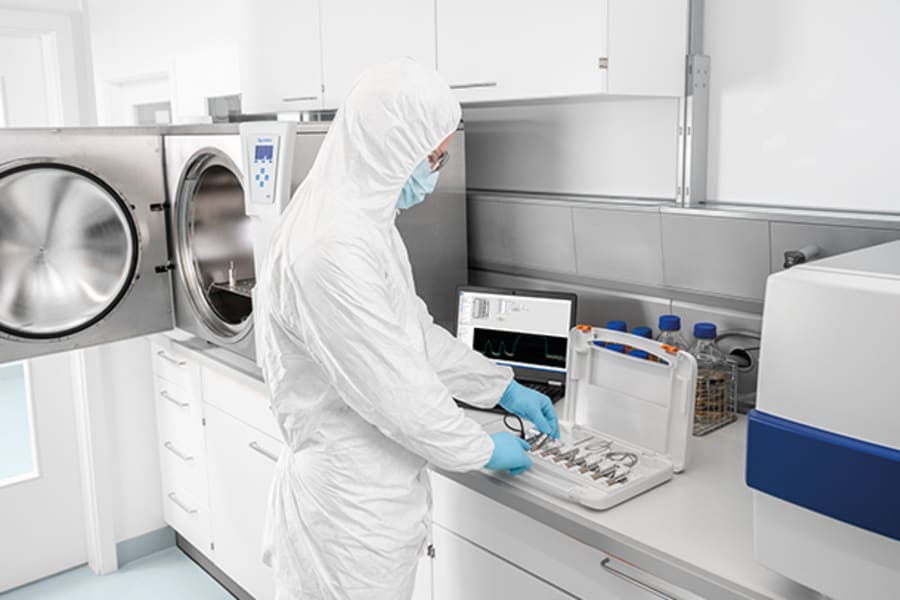
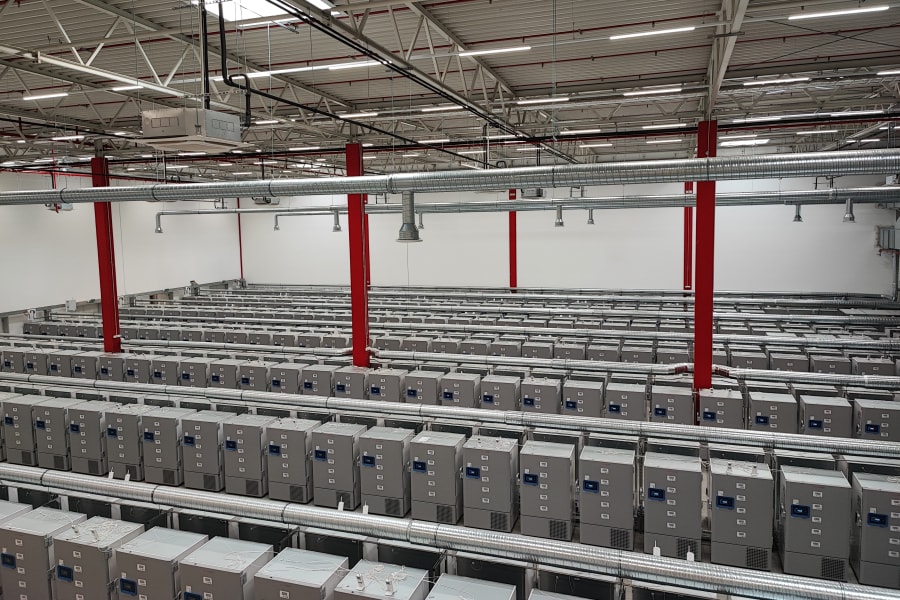
Environmental monitoring generates massive volumes of data. Cleanrooms, stability chambers, ultra-low freezers, warehouses, and aseptic production environments all require continuous measurement of critical parameters like temperature, humidity, and differential pressure.
Regulators such as the FDA and EMA expect this data to be complete, accurate, and retrievable over long retention periods. It must also be protected against manipulation, whether intentional or accidental. In GxP-regulated environments, uncertainty over who owns or maintains the data can put both compliance and product safety at risk.
Adding to this complexity, many pharmaceutical companies are transitioning toward cloud monitoring systems, which promise flexibility and remote access. But cloud solutions also raise important questions about data ownership, cybersecurity, and long-term accessibility. Ultimately, regulators hold the pharmaceutical company accountable, regardless of whether data is hosted on-site or in the cloud.
Ownership and Responsibility for Pharmaceutical Environmental Monitoring Data
One of the most common concerns across the industry is data ownership. Companies often ask:
Does the vendor or the pharmaceutical company truly “own” the data?
Who ensures that storage meets compliance standards?
What happens if a system changes or is updated?
Regulatory authorities make it clear: while vendors may provide infrastructure and services, the pharmaceutical company is ultimately accountable for ensuring that monitoring data remains secure, retrievable, and audit-ready.
To meet these expectations, organizations must work with technology partners who can guarantee audit-proof data management. This means clear roles and responsibilities, transparent access, and validation of the systems that store, transmit, and archive the data.
Best Practices for Ongoing Validation and Compliance in Pharma Monitoring
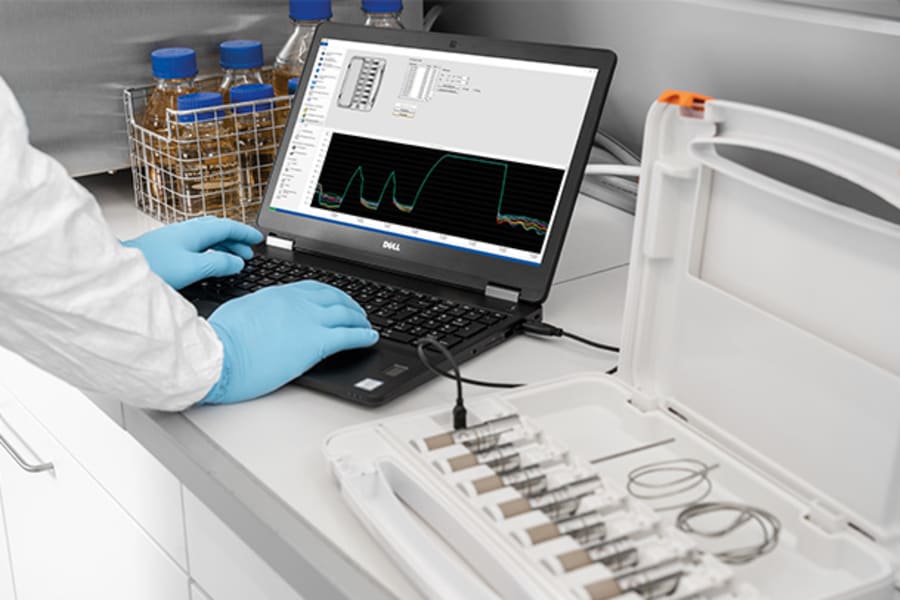
Data integrity doesn't end at installation. Ongoing validation, calibration, and system updates are critical to maintaining compliance. But updates, whether software patches or hardware replacements, can introduce risk if they disrupt validated states or create gaps in data.
That's why change control and revalidation are essential. Each update should follow documented procedures that maintain a continuous validated state, ensuring that no data is lost and that audit readiness is never compromised.
Pharmaceutical companies should follow best practices such as:
Partnering with vendors that provide GxP-trained support teams.
Establishing service agreements that guarantee compliance continuity.
Ensuring staff are properly trained on system operation and audit readiness.
Without structured support, even the best monitoring systems can become compliance liabilities.
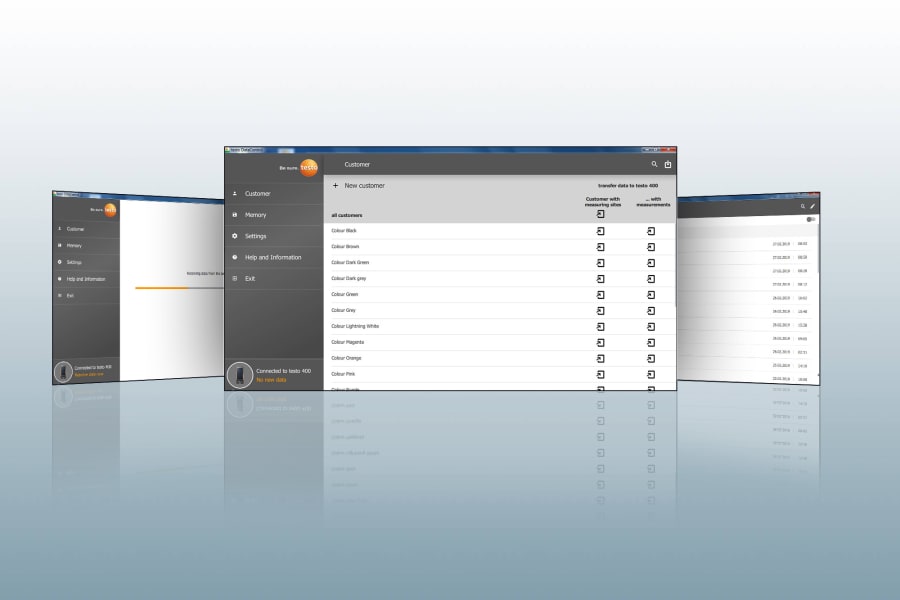
How testo Saveris 1 Addresses These Challenges
The testo Saveris 1 environmental monitoring system was designed specifically to meet the challenges of data ownership, integrity, and support in pharmaceutical environments.
Data Storage & Integrity
Automated, uninterrupted, no-loss storage of measurement data, even in the event of power failures.
Centralized, audit-proof archiving with detailed audit trails, electronic records, and electronic signatures.
CFR software ensuring compliance with 21 CFR Part 11 and EU GMP Annex 11.
Data ownership
All measurement data is centrally archived, secured, and remains fully accessible to the pharmaceutical company.
Transparency is built in, with complete audit trails and user-level access controls.
REST API integration allows seamless transfer of data to other regulated systems (such as LIMS or building management systems) without compromising ownership or traceability.
Support & Updates
Testo’s GxP-trained service team handles system qualification, software validation, calibration, and maintenance, reducing internal compliance burden.
Modular service packages and training courses ensure smooth adoption and long-term compliance continuity.
Global support infrastructure ensures consistent expertise, from planning through lifecycle management.
All updates and service activities follow strict change-control and revalidation procedures, ensuring validated states are preserved and data integrity remains uncompromised.
Ensuring Data Ownership and Compliance in Pharma Monitoring
In a regulated industry like pharmaceuticals, data integrity is non-negotiable. Ownership of monitoring data, clarity of roles in compliance, and reliable vendor support are inseparable from regulatory success.
With testo Saveris 1, pharmaceutical companies retain full ownership and control of their environmental monitoring data, supported by an audit-proof platform and continuous GxP-trained service. The result: clarity, compliance, and confidence today and into the future.
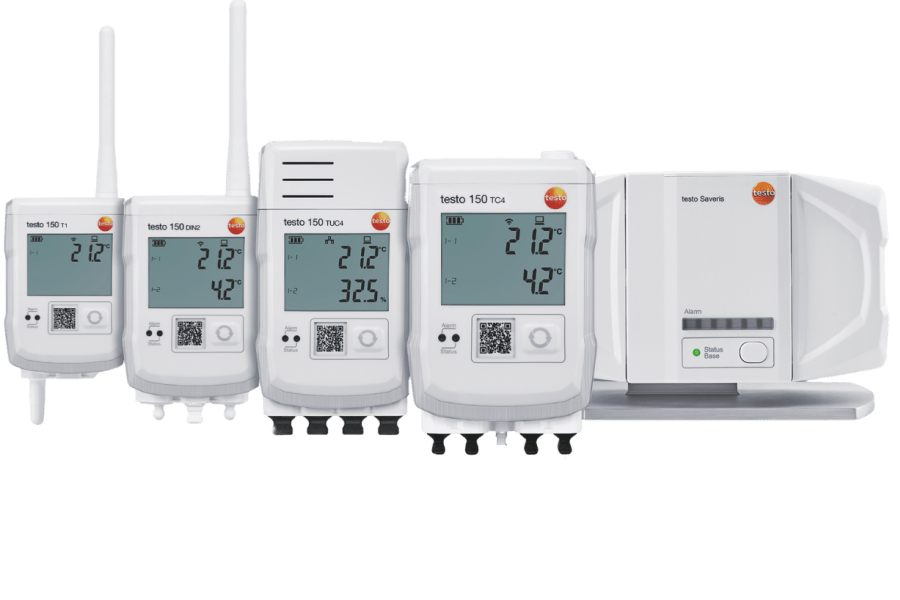
Safeguard your data integrity with testo Saveris 1. Designed to keep pharmaceutical monitoring data audit-proof, accessible, and under your control.
Pharmaceutical Environmental Monitoring Solutions
Browse Testo's complete portfolio of hardware, software, and GxP services for
environmental monitoring, cold chain transport, sterilization, and lyophilization.