Directly from the manufacturer
Free shipping
Fast delivery
Secure payment
Directly from the manufacturer

Understanding Thermal Imaging in HVACR

Top 10 Thermal Imaging Uses in HVAC/R
Built to educate HVAC technicians on the endless applications in the industry to help identify more issues and eliminate callbacks, during the initial visit.
Through speaking with Industry leaders and influencers, our Thermal Experts created this list of the most common, and important, applications in the HVAC industry that can require Thermal Imaging use!
1) Duct Leakage
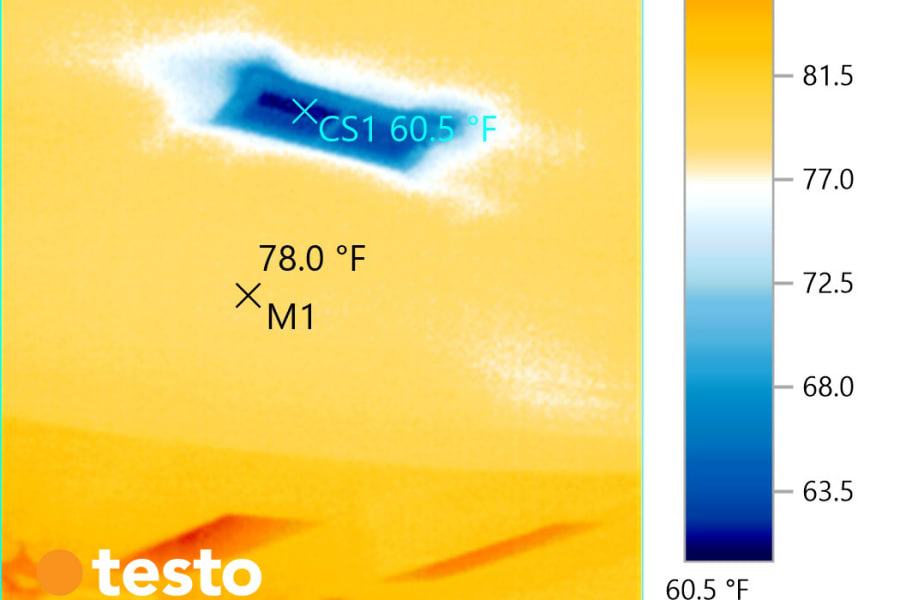
Air leaks in ducts can cause comfort issues, poor indoor air quality, and excessive energy bills. Thermal cameras can detect tiny differences in temperature and reveal hidden issues with joints, seals, dampers, and boots.
2) Air Infiltration
Air infiltration through the building envelope can cause significant issues for comfort, humidity, moisture, and energy bills. Moisture and condensation can damage building materials and are a significant risk. Thermal cameras can see airflow when there is a slight difference between indoor and outdoor temperatures.
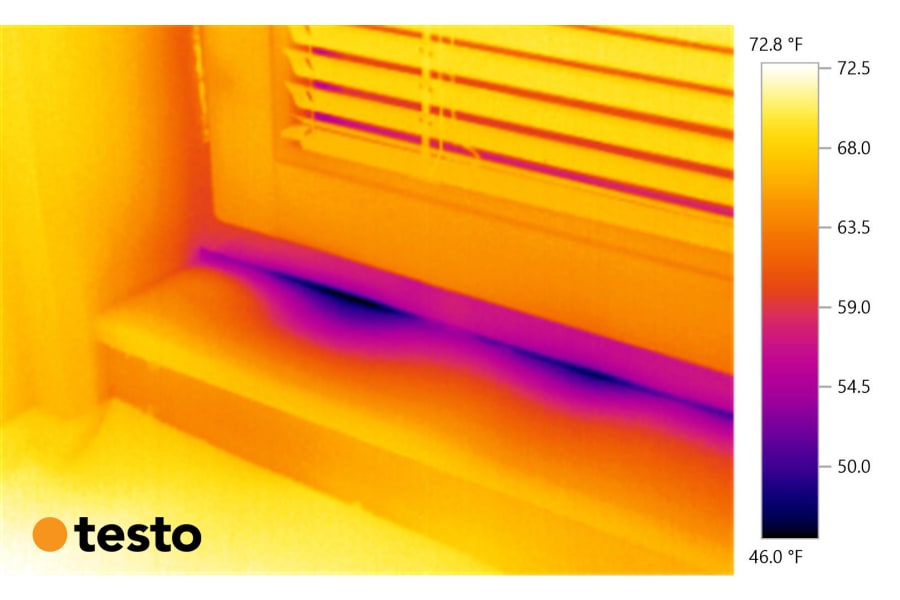
3) Missing Insulation & Thermal Bridging
Missing insulation and thermal bridging increase the load on HVAC systems and can also increase energy consumption, create moisture issues, and even structural damage. Heat conducting through the building envelope creates small thermal differences on the surface that the camera can see and highlight for the technician.
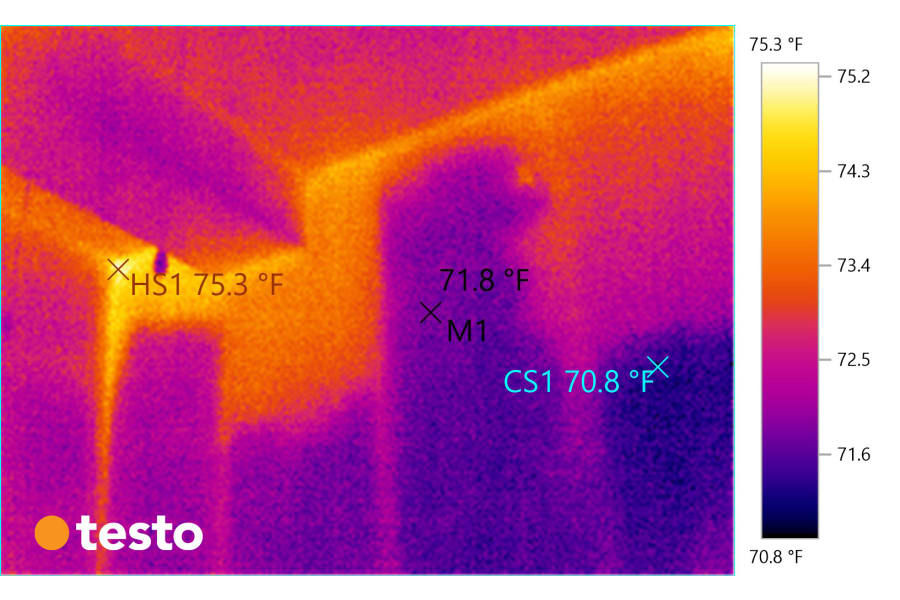
4) Water Damage & Leak Source
Water leaks can cause serious damage and health issues, if not treated quickly. Thermal cameras are an essential tool for finding leaks quickly, determining the source of the leak, and the affected area. A thermal camera sees potentially wet areas from the water evaporating creating a cooler area on the building materials.
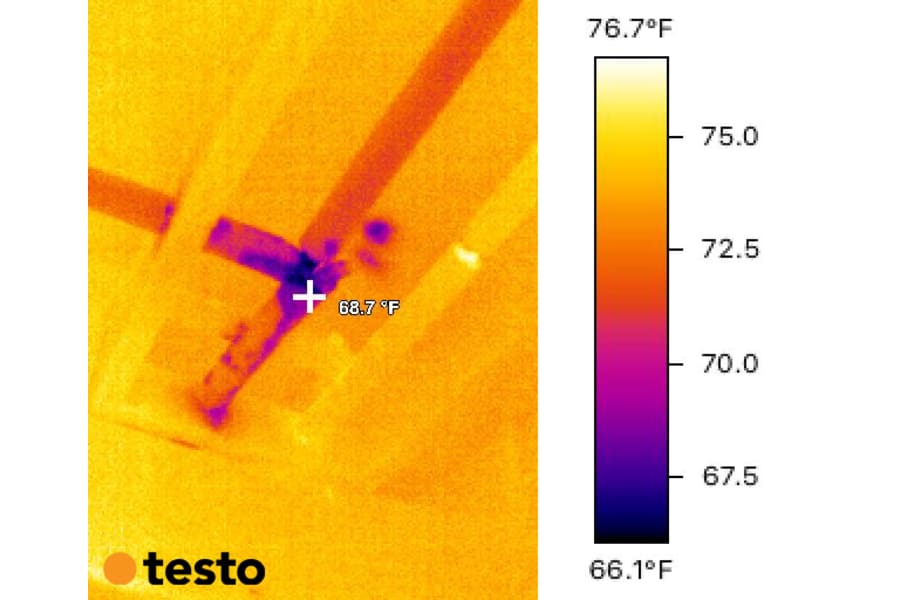
5) Mold Risk Assessment
Mold poses health and structural risks. Identifying potential growth areas is key to prevention. Testo's thermal cameras and hygrometers offer a unique solution by combining dew point measurement with thermal imaging. The camera displays mold risk using a green-yellow-red stoplight scale.
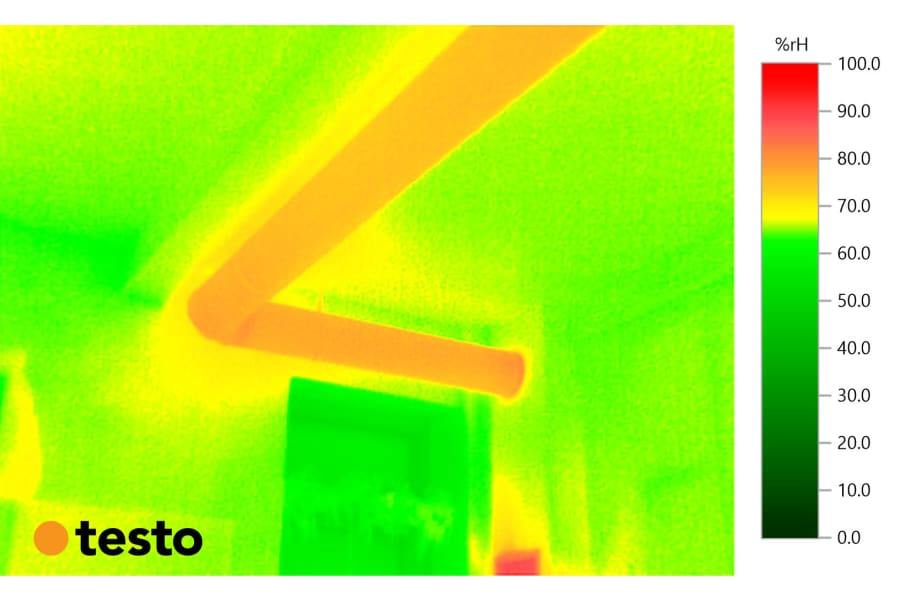
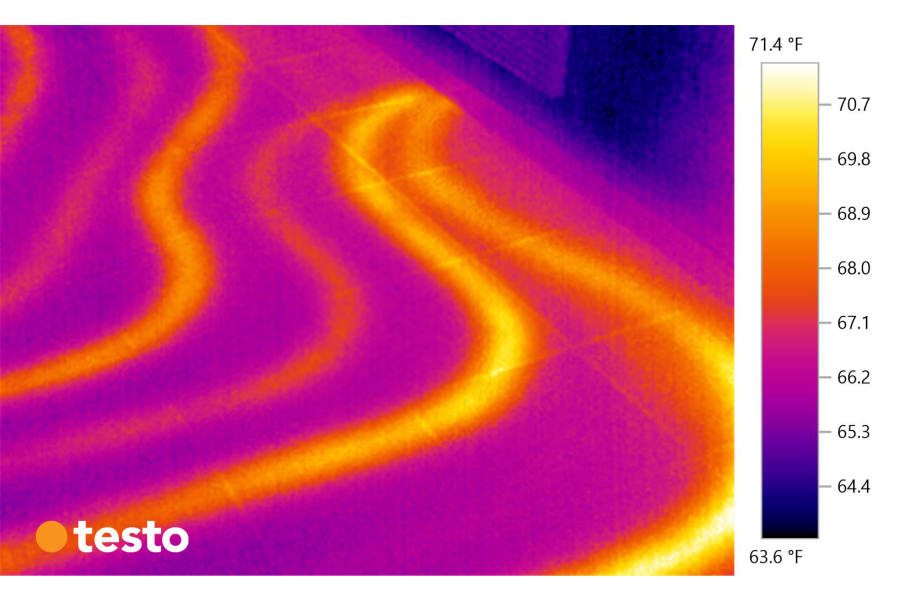
6) Radiant Floor Heating
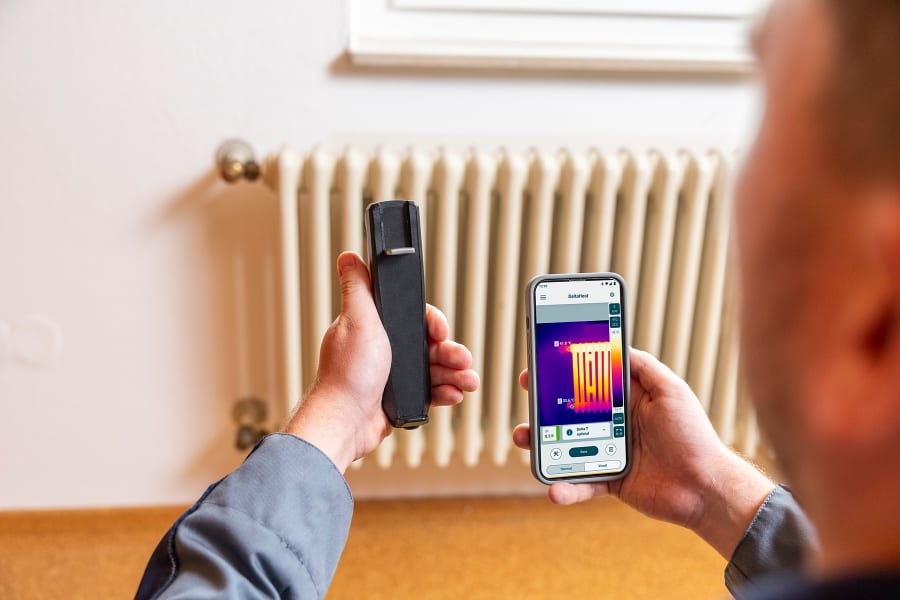
Troubleshooting radiant floor heating is tough without a tool to reveal issues beneath the surface. Thermal cameras help spot leaks in hydronic systems, hot spots, in electric setups, and mark loops to avoid accidental drilling. Pro Tip: Keep the system off until inspection, then turn it on and wait 10 minutes for the heat to build.
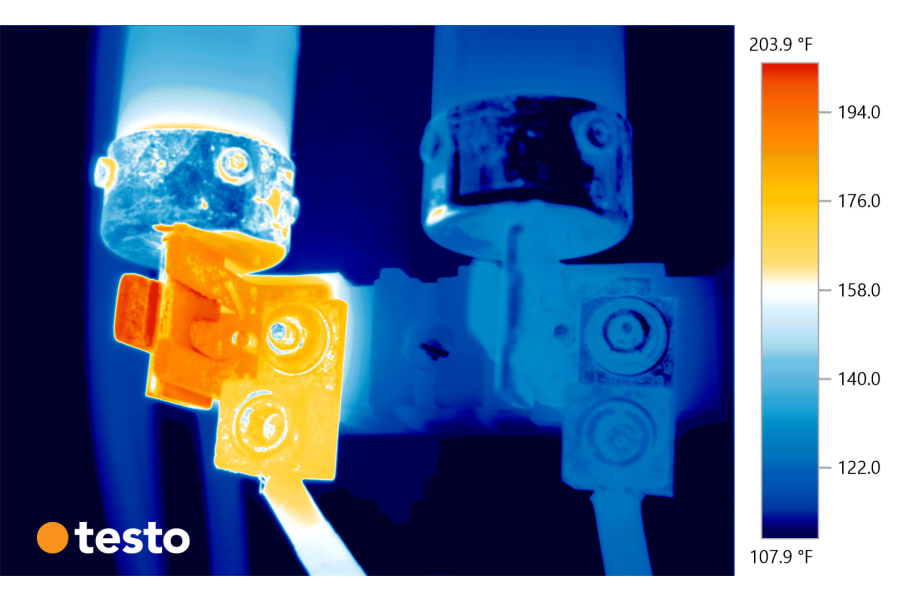
7) Electrical Hot Spots
Thermal imaging quickly identifies hot spot in HVAC electrical connections, revealing loose wires, overloaded circuits, or failing components. It's non-invasive, safe, and helps prevent costly failures by catching issues early. This improves system reliability, reduces downtime, and enhances safety during maintenance.
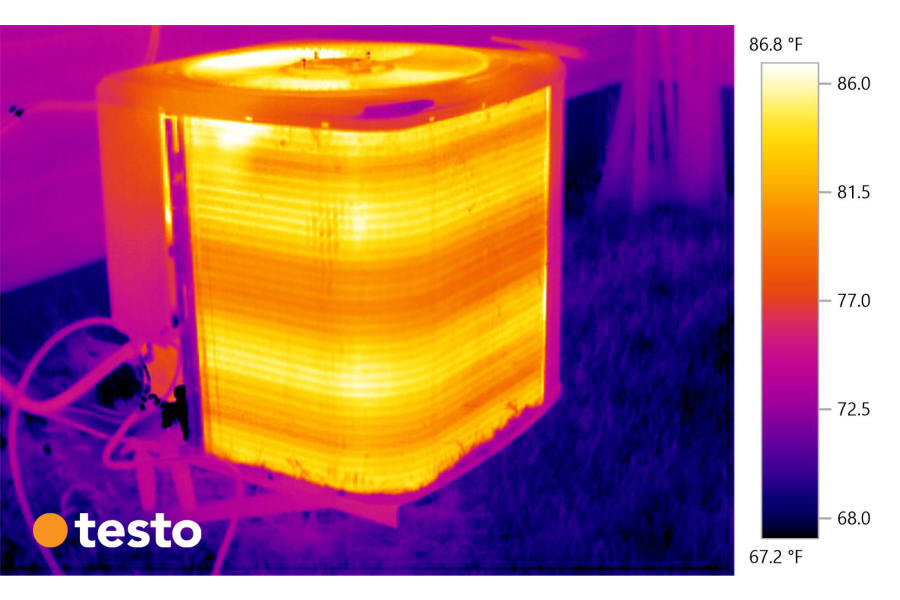
8) Condenser Coil Issues
Thermal imaging quickly reveals uneven heat on condenser coils, helping diagnose airflow restrictions, dirt buildup, or refrigerant issues. This non-contact method enhances accuracy, boots efficiency, and prevents costly failures-allowing technicians to optimize maintenance and ensure reliable HVAC performance.
9) Accumulator Liquid Level
Thermal imaging detects temperature differences in HVAC accumulators, helping verify refrigerant levels and system performance. It improves diagnostic accuracy, supports preventative maintenance, and helps prevent compressor damage from improper charge.
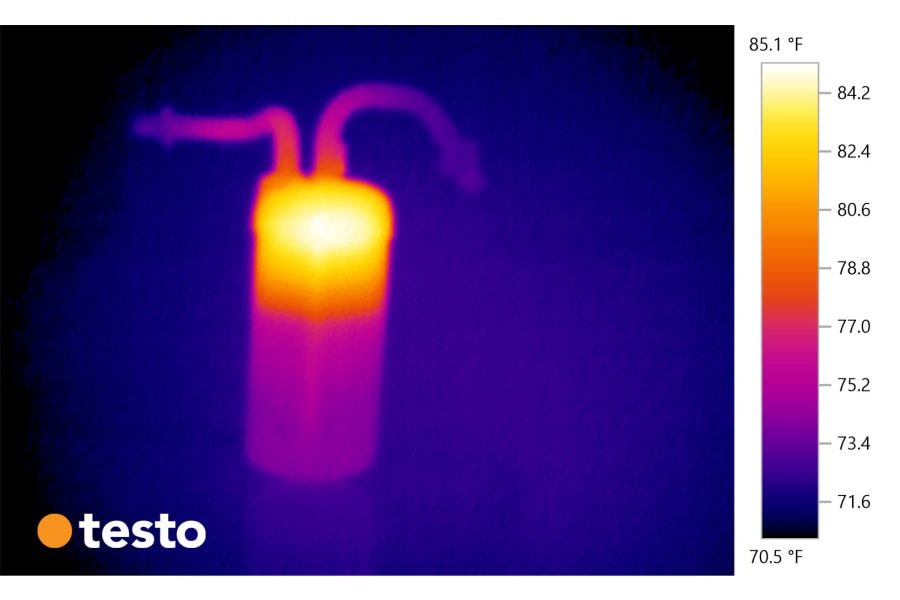
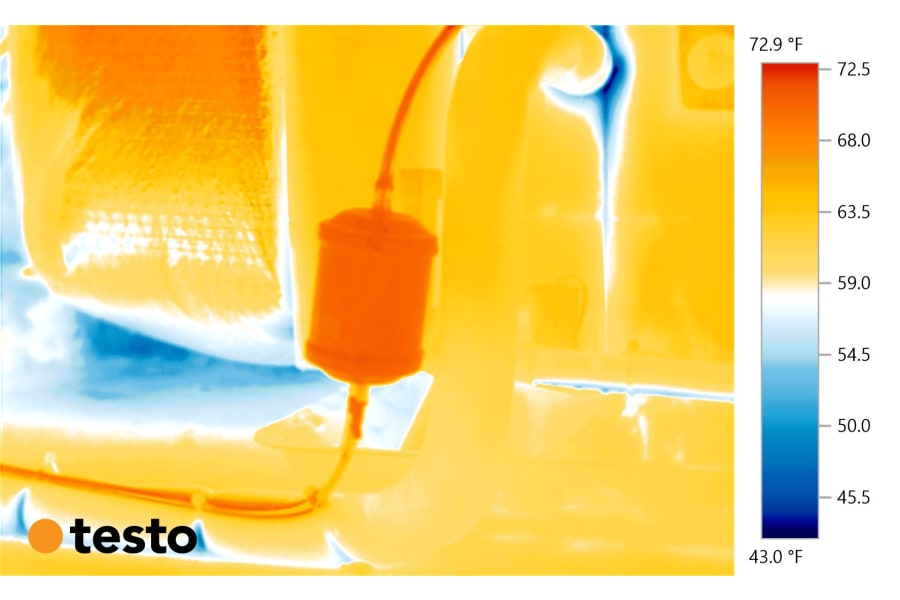
10) Filter Dryer
A Thermal imaging reveals temperature irregularities in HVAC filter dryers, helping detect blockages, moisture, or refrigerant flow issues. By visualizing heat patterns, technicians can catch early signs of inefficiency, improve maintenance, and reduce costly repairs.
Looking for your thermal solution? Check out our lineup of imagers:
Technician Imagers: Compact thermal imaging for fast diagnostics, everyday troubleshooting, and instant ROI in the field.
Field Inspection Tools: Versatile thermal imagers designed for detailed inspections, documentation, and professional reporting.
Reliability & Preventative Inspections: Advanced thermal imaging built for condition monitoring, predictive maintenance, and asset protection.
Register now for the free download.