Directly from the manufacturer
Free shipping
Fast delivery
Secure payment
Directly from the manufacturer

From Data to Defense:
How Audit-Ready Documentation Starts with Your Monitoring System

Shifting Toward Defense
In the highly regulated pharmaceutical and life sciences sectors, documentation is not merely a record of past events; it is the primary defense against compliance risks and product compromise. As organizations navigate the complexities of cGMP compliance and data storage ownership, the focus must shift toward a proactive approach: documenting the environment. This idea underscores the critical role that environmental monitoring systems play in transforming raw data into audit-ready, defensible documentation.
The Intersection of Compliance and Data Ownership
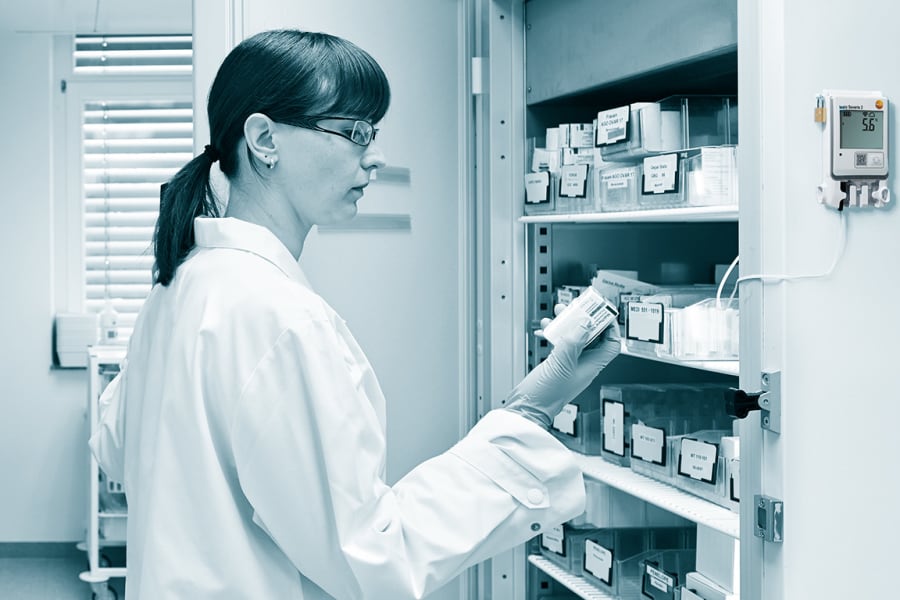
The foundation of pharmaceutical manufacturing and storage relies heavily on the 5 Ps of cGMP: People, Processes, Procedures, Premises & Equipment, and Products. Each of these elements requires meticulous documentation to prove that environmental conditions remain within validated tolerances. However, as discussed in recent industry analyses, risk mitigation does not happen in isolation. It requires a cohesive strategy where data integrity and ownership are clearly defined.
When environmental monitoring systems generate vast amounts of data, from temperature and humidity readings to differential pressure alerts, the question of data ownership becomes paramount. Regulatory bodies such as the FDA and EMA hold the pharmaceutical company accountable for this data, regardless of whether it is stored on-premises or in the cloud. Therefore, establishing clear data ownership is the first step in building a robust defense during an audit.
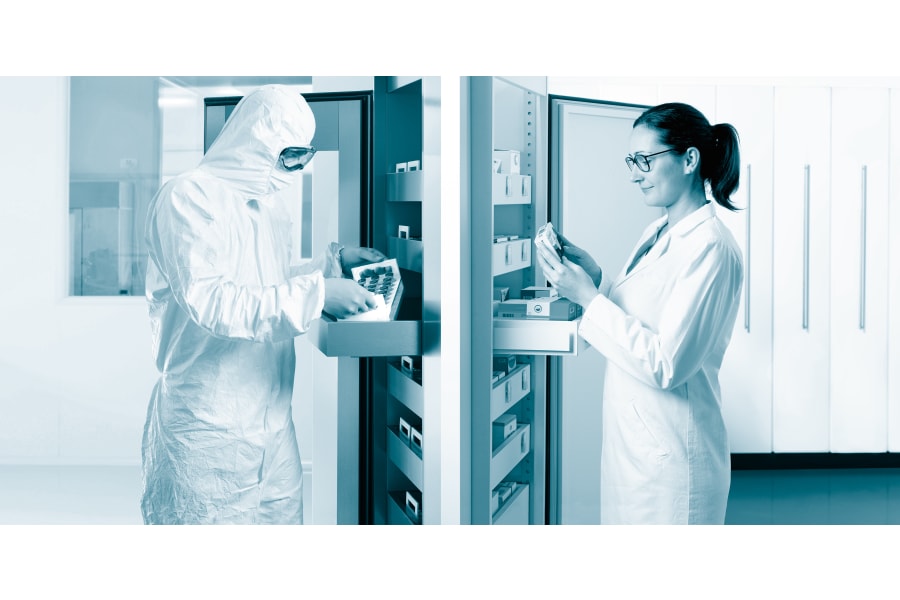
This proactive documentation strategy involves several key components:
Manual data entry is prone to human error and manipulation. Automated monitoring systems ensure that every environmental fluctuation is recorded accurately and continuously, even during power outages or network disruptions.
Data must be stored in a centralized, secure repository that complies with 21 CFR Part 11 and EU GMP Annex 11. This includes detailed audit trails, electronic records, and electronic signatures that track who accessed the data and when.
Just as the 5 Ps emphasize the human element in risk mitigation, documenting the environment requires clear protocols for how personnel interact with the data. Operators must understand how to interpret alarms, and quality teams must know how to review and approve excursion reports.
Bridging the Gap: From Raw Data to Actionable Insights
The transition from raw data to defense requires a system that not only stores information but also makes it actionable. When environmental monitoring is integrated into broader operational processes, variability becomes measurable and manageable.
For instance, if a temperature excursion occurs in a stability chamber, an audit-ready system provides immediate, documented evidence of the event, the duration, and the personnel who acknowledged the alarm. This level of detail is essential for conducting thorough investigations and demonstrating to auditors that the organization maintains control over its premises and equipment.
Furthermore, ongoing validation and calibration are critical to maintaining this defensible posture. As equipment ages or facility layouts change, the monitoring system must adapt without losing its validated state. Partnering with vendors who provide GxP-trained support ensures that updates and maintenance activities are fully documented and compliant.
The Testo Advantage
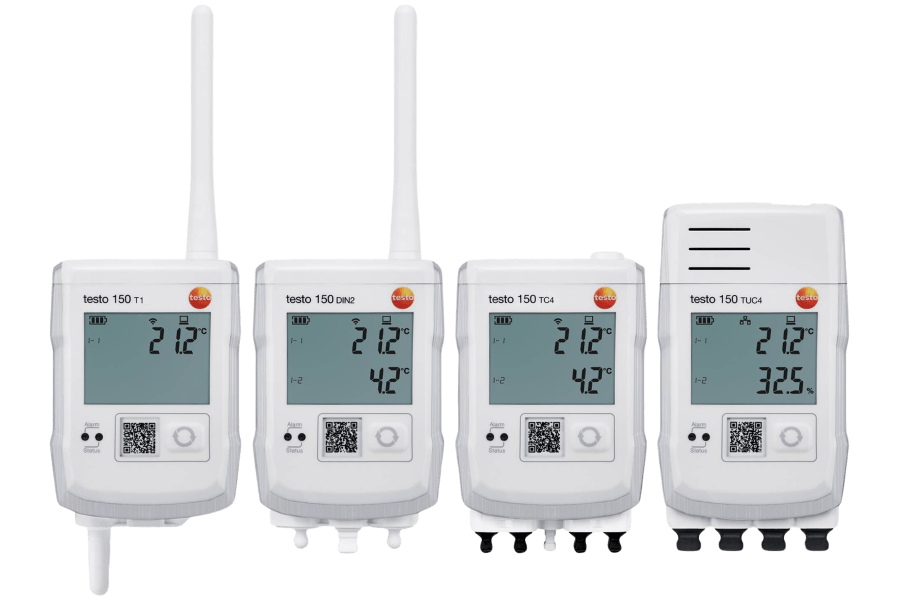
In an industry where product integrity and patient safety are nonnegotiable, audit-ready documentation is the ultimate defense. By leveraging advanced monitoring systems, like testo Saveris 1, pharmaceutical companies can confidently demonstrate their commitment to quality, compliance, and continuous improvement.