
































- Home
- testo 315-3 bez Bluetooth
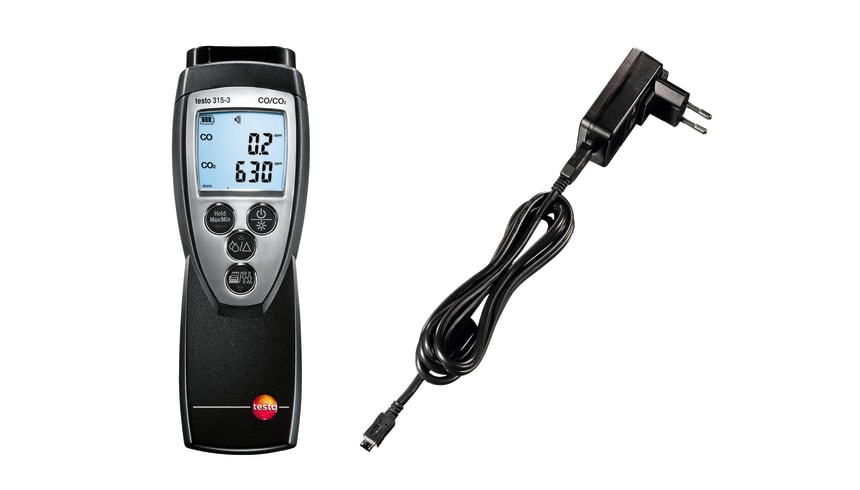
testo 315-3 bez Bluetooth - Miernik do pomiaru
CO/CO2 w otoczeniu
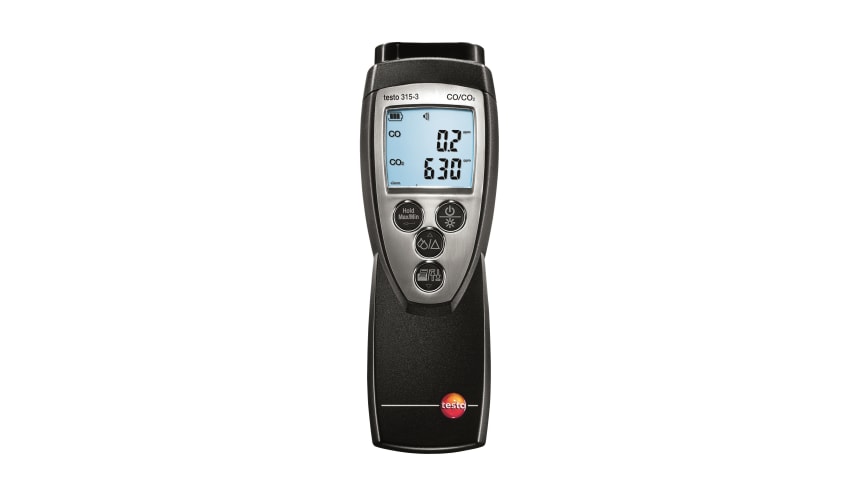
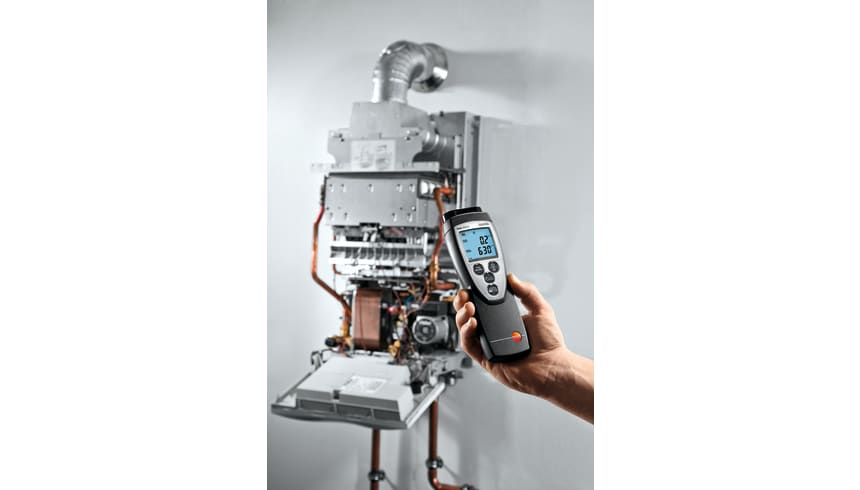
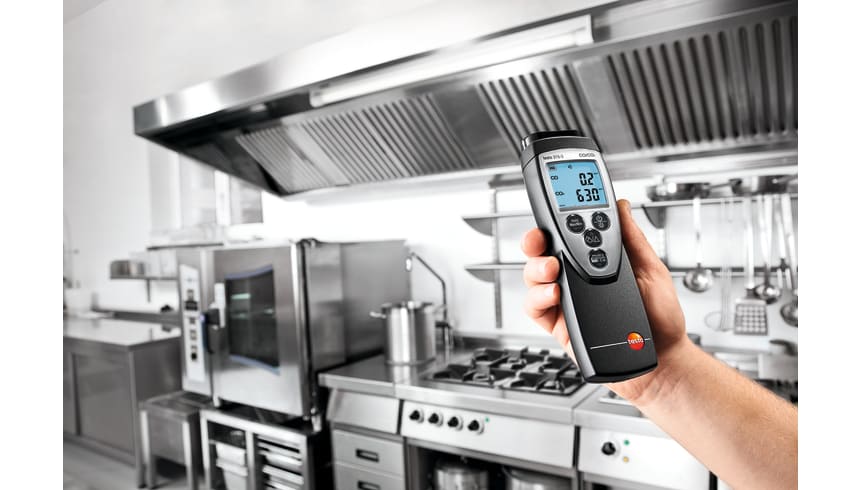
testo 315-3 bez Bluetooth - Miernik do pomiaru
CO/CO2 w otoczeniu
- Umożliwia równoległy pomiar CO/CO2
- Umożliwia bezpośrednie wyświetlanie zawartości obu gazów
- Spełnia wymagania normy europejskiej EN 50543
- Posiada niezwykle solidne czujniki
Ogólne dane techniczne
CO / CO2 measurement in the heated environment
Carbon monoxide (CO) is a colourless, odourless and taste-free gas, but also poisonous. It is produced during the incomplete combustion of substances containing carbon (oil, gas, and solid fuels, etc.). If CO manages to get into the bloodstream through the lungs, it combines with haemoglobin thus preventing oxygen from being transported in the blood; this in turn will result in death through suffocation. This is why it is necessary to regularly check CO emissions at the combustion points of heating systems and in the surrounding areas.
Measuring humidity
Humidity is an important parameter for health and comfort. Above all, relative humidity is the significant factor - it indicates the extent to which air is saturated with water vapour.
With relative humidity of 50%, the air contains just half the maximum amount of water vapour that it could at the right temperature. At 100% relative humidity, the air is completely saturated with water vapour. If 100% saturation is exceeded, the excess moisture condenses into condensate.
Therefore, relative humidity can indicate how fast evaporation will take place or the likelihood of condensation forming. As the evaporation of moisture through skin is determined by the relative humidity of the ambient air, the latter is an important parameter for the feeling of comfort.
Therefore, health authorities recommend relative humidity of around 50% for living spaces and offices. However, in closed, well ventilated and well heated rooms this value is often not attained, which may have an adverse effect on breathing, skin and mucous membranes. This is particularly the case in winter, as the cold outside air only has a low absolute humidity; when this is warmed up to room temperature, the relative humidity drops dramatically. On the other hand, excessive humidity prevents proper regulation of the body temperature through sweating, and is therefore quickly experienced as being humid.
Akcesoria
: 0516 0191
Futerał - Futerał
Futerał
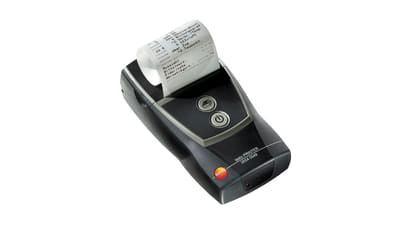
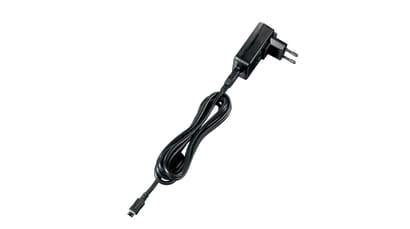
: 0554 1105
Zasilacz USB z kablem
Zasilacz USB z kablem