Bezpośrednio od producenta
Darmowa dostawa od 250 zł*
Szybka dostawa
Bezpieczne płatności
Bezpośrednio od producenta

- Home
- testo 316-2
0632 3162
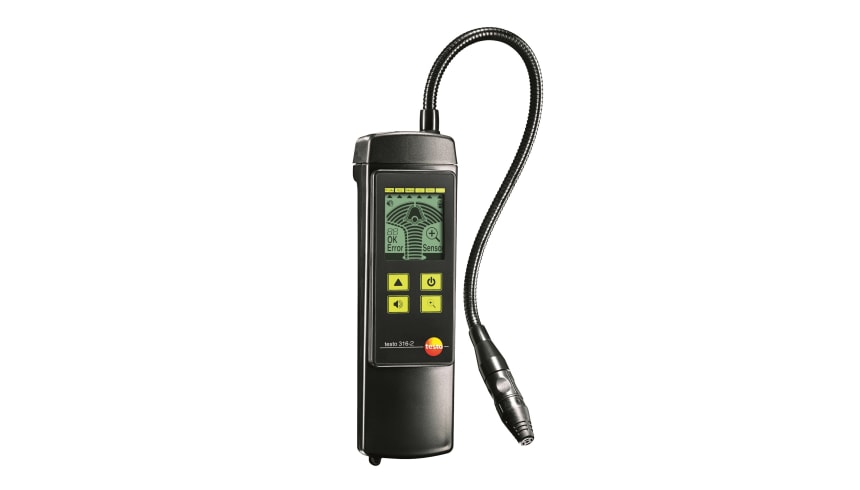
testo 316-2 - elektroniczny detektor nieszczelności gazowych
0632 3162
testo 316-2 - elektroniczny detektor nieszczelności gazowych
Produkt nie jest już dostępny. Czy znają Państwo już kolejny model?
Warto skorzystać z jego zalet: >> Do produktu
Warto skorzystać z jego zalet: >> Do produktu
- Alarm dźwiękowy i optyczny na wyświetlaczu paskowym przy rosnących i niebezpiecznych stężeniach gazu
- Zintegrowana pompka
- Ekran tendencji pokazujący maksymalny wyciek
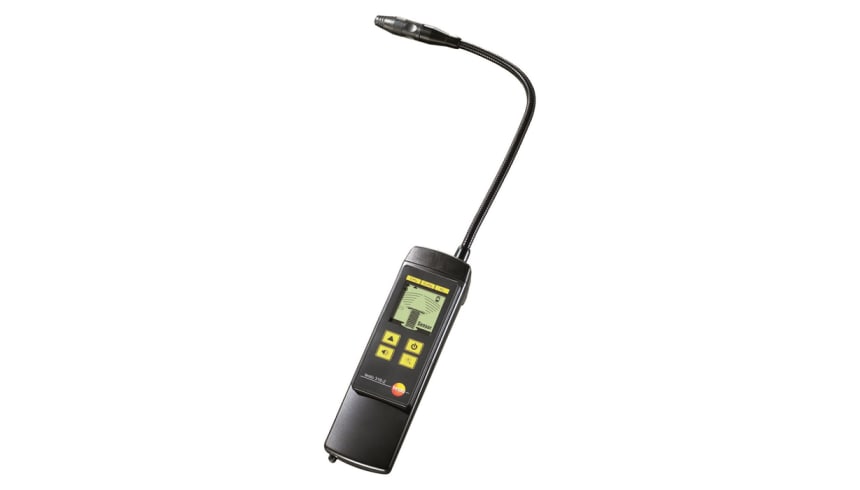
- Giętka sonda pomiarowa do trudno dostępnych miejsc
pompką.
Ogólne dane techniczne
Ogólne dane techniczne | Wilgotność pracy 20 do 80 %RH |
|---|---|
Waga 348 g | |
Czas reakcji t90 < 2 sek. | |
Wymiary 190 x 57 x 42 mm (without sensors) | |
Temperatura pracy -5 do +50 °C | |
Czas rozgrzewania 60 sek. | |
Typ baterii Bateria NiMH | |
Żywotność baterii 6 h | |
Wyświetlacz 18-segmentowy wy ś wietlacz (ekran) | |
Temperatura składowania -25 do +60 °C | |
Metan (CH₄)
Metan (CH₄) | Zakres pomiarowy 10 ppm do 4,0 % obj. |
|---|---|
Dolny próg odpowiedzi 10 ppm | |
Pierwszy limit alarmowy 200 ppm | |
Drugi limit alarmowy 10000 ppm | |
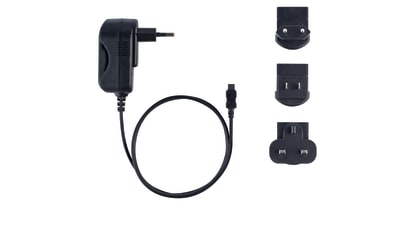
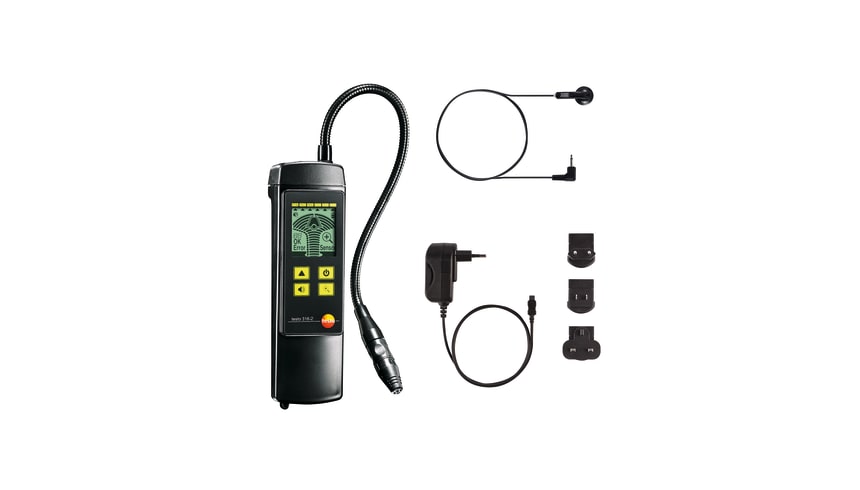
Elektroniczny detektor nieszczelności gazowych testo 316-2 z giętką sondą pomiarową, ładowarką oraz słuchawkami.

Gas leak detection in gas pipes in the heated environment
Gas leak detection is the elementary testing of gas pipe parts for existing leaks. A gas pipe is considered leak-proof when there are no gas leaks from the exposed parts. This means that exposed gas pipes in particular are checked for external leak tightness. Leaks are detected by testing a connection point; e.g. at fittings, flanges, screw fittings and gas control valves. It is also important to check ducts entering buildings and gas pipes concealed in cavities at the air outlets. The most up-to-date way to detect gas leaks is to use an electronic gas detector (“sniffer”).
Akcesoria