


































- Home
- Applications
- Thermography Solutions in the Automotive Industry

Thermography Solutions in the Automotive Industry
Thermography is non-invasive method of inspecting and evaluating vehicle components.

Applications in the Automotive Industry
Engine Diagnostics
During MOT servicing or routine maintenance, mechanics can use thermal imaging to scan the engine for potential issues. This technique allows them to quickly detect problems such as coolant leaks, exhaust blockages, or overheating components, often much faster than traditional manual inspections.

Your Benefits to using Testo Thermal Imaging Cameras in the Automotive Industry
Early Fault Detection: Thermal imaging can identify overheating components, leaks, or electrical issues before they lead to costly failures or safety hazards.
Non-Contact Inspection: Mechanics can inspect hot or hard-to-reach components without touching them, increasing safety and efficiency.
Time and Cost Savings: Rapid diagnostics reduce the need for disassembly and lengthy manual inspections, speeding up repairs and minimising labor costs.
Improved Safety: Detecting issues like brake hotspots, battery overheating, or electrical faults early helps prevent accidents and breakdowns.
Enhanced Maintenance Accuracy: Thermal imaging provides a clear visual representation of heat patterns, making it easier to pinpoint problems that might be missed with traditional methods.
Versatility: It can be applied across multiple systems, including brakes, tires, engines, electrical components, HVAC, and EV/hybrid batteries.
Premium Service Offering: Garages can offer advanced diagnostics, enhancing customer trust and providing a competitive advantage.
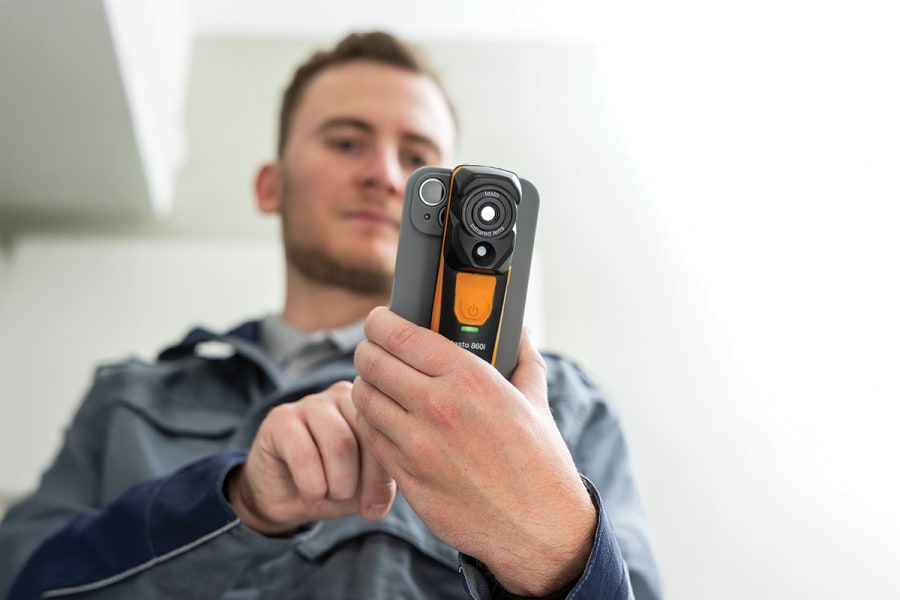
Recommended for Automotive Application